








At least 21 U.S. states have confirmed cases of measles as outbreaks continue spread across the country.
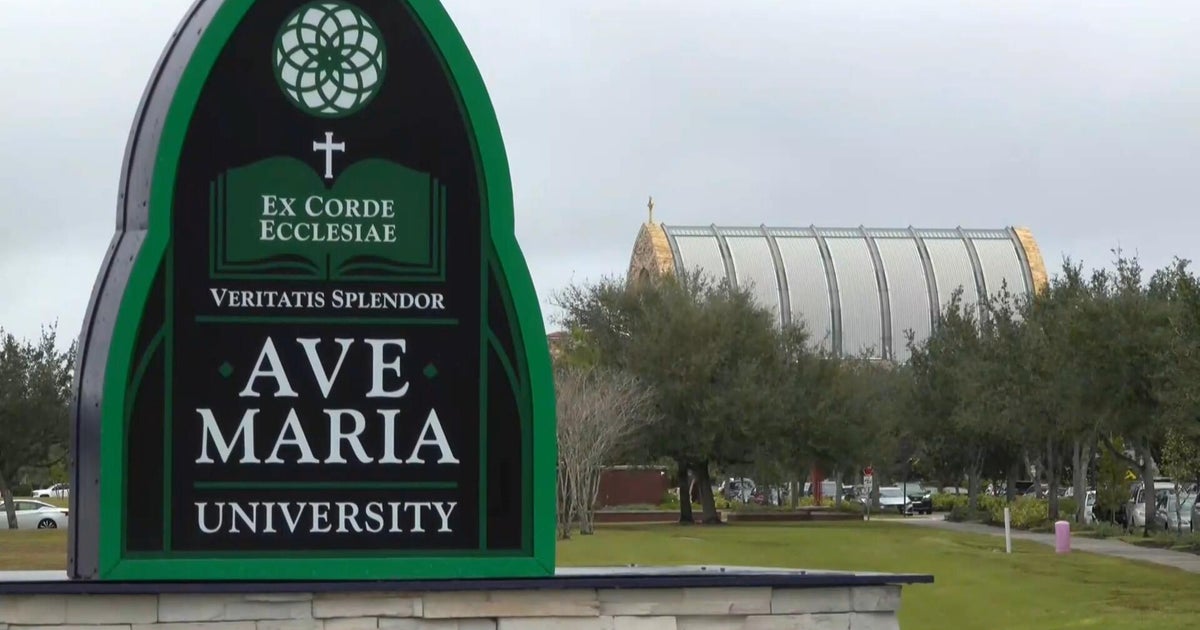
At Ave Maria University near Naples, Florida, measles cases have soared to nearly 60. A sophomore at the school, who is unvaccinated, told CBS News he developed symptoms before he tested positive.
“Honestly, at first, it … kind of felt like a head cold,” the student said. “I started to get a little rash and then like I started to get a sore throat, a cough.”
At a clinic across the street from campus, Dr. Raul Enad said he’s treated two measles patients – a student and a professor, both of whom were vaccinated.
“The professor, she was in contact with a student who had a severe illness, severe manifestation,” Enad said. “She would have been more sick if she had not been vaccinated.”
In a statement on its website, the university said that its “ongoing priority remains the health, safety and well-being of every member of our campus community.”
Surging cases across U.S.
The U.S. is now at risk of losing its measles-elimination status for the first time in more than two decades.
“It’s just the cost of doing business with our borders being somewhat porous for global and international travel,” principal deputy director at the CDC, Ralph Abraham, said last month. “We have these communities that choose to be unvaccinated. That’s their personal freedom.”
CBS News has tracked more than 1,000 confirmed cases nationwide in 2026, which is approximately half of what was recorded in all of 2025.
Three years ago at this time, there were only two cases of the highly contagious virus, according to the CDC.
South Carolina continues to have the largest outbreak with more than 900 cases since September.
The CDC recommends children receive their first dose of the MMR vaccine between 12 and 15 months.
“I think it’s a good reminder that kids should get the measles shot,” FDA commissioner Dr. Marty Makary said. “We put out, the administration, what we consider core essential vaccines, measles is one of them.”
Symptoms of measles
According to the CDC, measles symptoms “appear 7 to 14 days after contact with the virus.”
Symptoms may include:
- High fever (may spike to more than 104° F)
- Cough
- Runny nose (coryza)
- Red, watery eyes (conjunctivitis)
- Rash
In some cases, serious complications can develop, including pneumonia or encephalitis, a swelling of the brain.