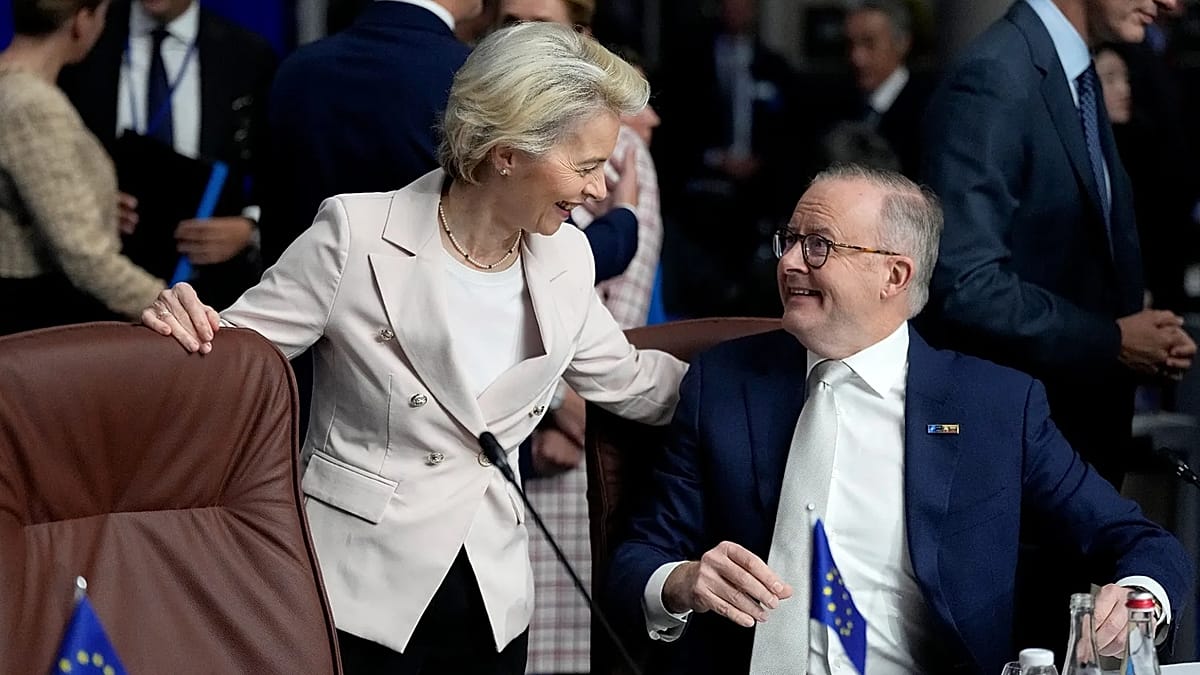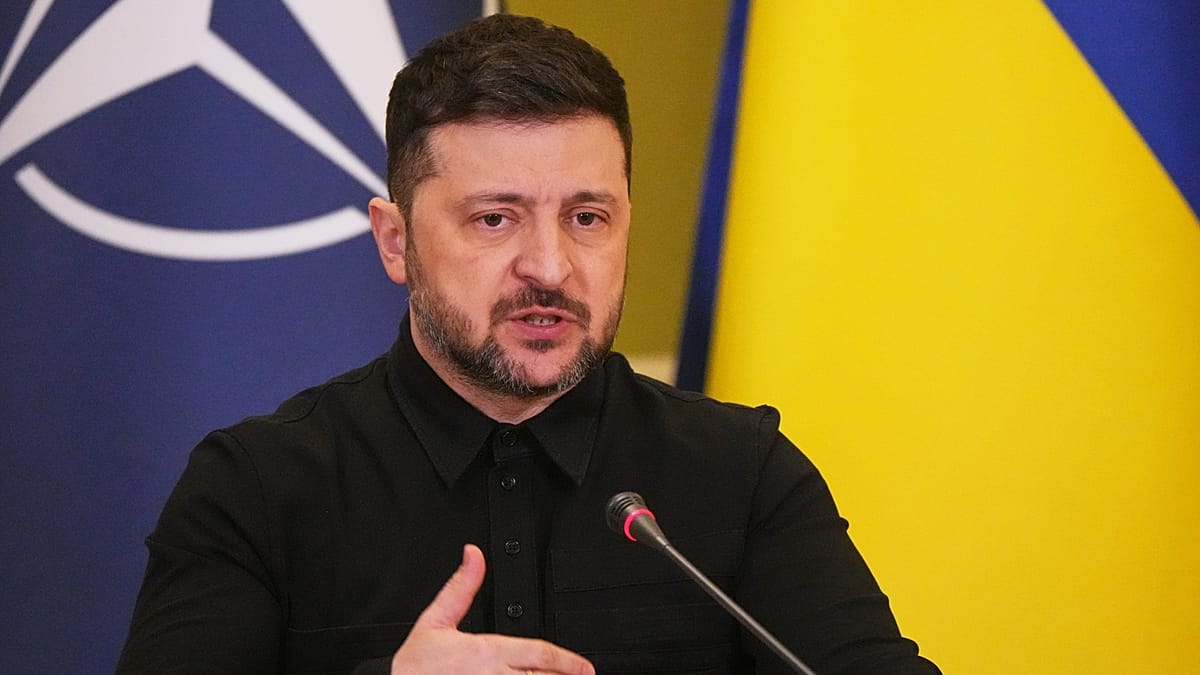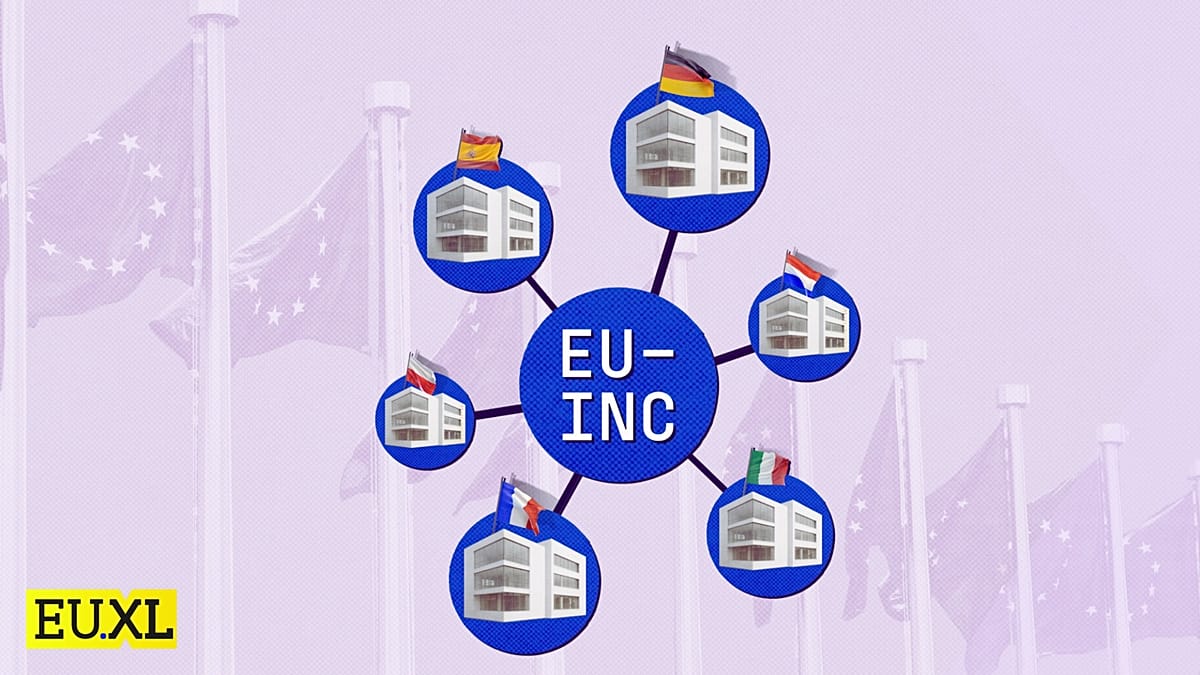








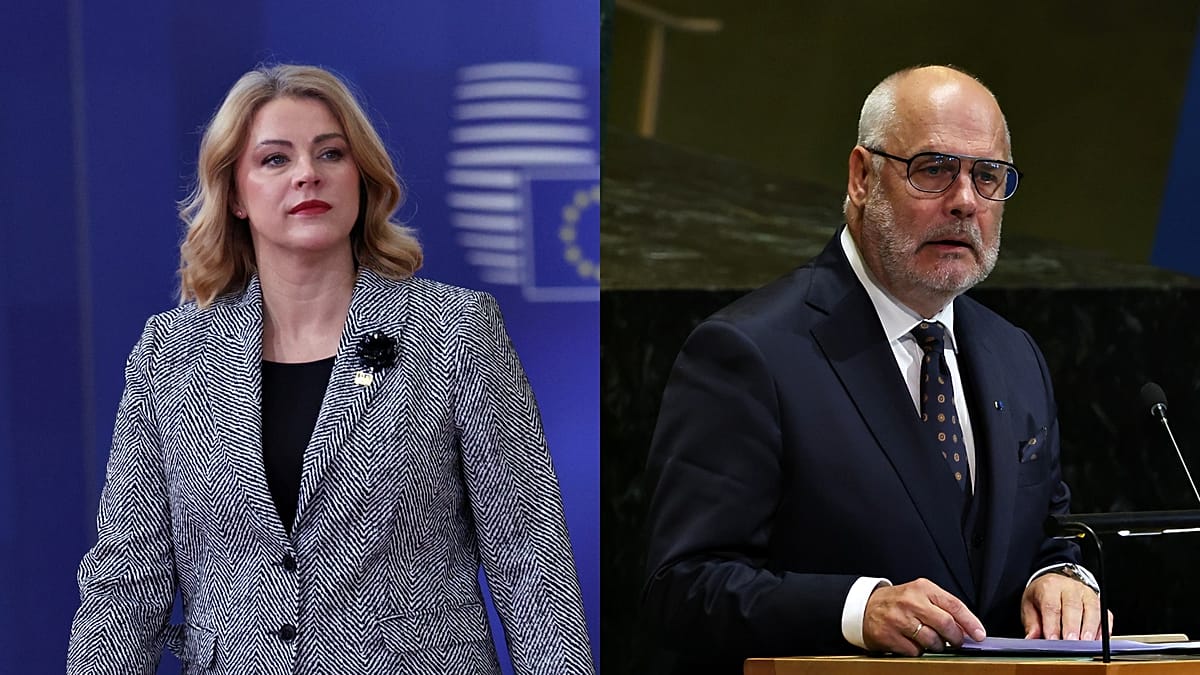
The European Union should appoint a special envoy to reopen diplomatic channels with Russia as part of the ongoing negotiations to end the war in Ukraine, the prime minister of Latvia and the president of Estonia told Euronews in separate interviews.
The comments reflect a rapid shift in Europe’s strategic thinking when it comes to Russia after being shut off from direct talks in peace negotiations led by the United States.
French President Emmanuel Macron said earlier this week that work had already started “at the technical level” to appoint a special envoy, a call also backed by Italian Premier Giorgia Meloni. The idea was first floated last summer, but a majority of leaders considered it inappropriate at that time.
Latvian Prime Minister Evika Siliņa and Estonian President Alar Karis said any communication with Russia should be done in consultation with Ukraine and suggested the interlocutor, who is yet to be appointed, be a consensus figure.
“I think you need to engage in diplomacy. You always need to talk, but we need to isolate and still have sanctions on Russia,” Latvian PM Siliņa said in an interview with Euronews on the sidelines of the World Governments Summit in Dubai.
“We have to be at the negotiation table because Ukrainians themselves have started to negotiate. So why should Europeans not negotiate?”
Siliņa pointed to French President Emmanuel Macron, German Chancellor Friedrich Merz, Polish Prime Minister Donald Tusk and British Prime Minister Keir Starmer as potential European representatives. Unlike Macron, Merz has firmly opposed direct talks.
“Yes, we really need an envoy. Probably the question is who it will be. And I think we have many options,” Siliņa added.
“I’m ready to go if it’s needed, but I think (that) European leaders from Germany or France, as well as the UK, which is a member of the ‘Coalition of Willing’, should be the ones who are actually at the table together with Americans, helping Ukraine to be in those very tough negotiations.”
Estonian President Karis refrained from giving names but stressed the chosen envoy should come from a big European country and enjoy “credibility on both sides”.
“The European Union should be involved in these discussions as well. Although we are not fighting with Russia directly, we have been supporting Ukraine for so many years already and continue to do so,” Karis told Euronews at the same event in Dubai.
“We should have a say as well, but you see, we are a bit late. We should have started it, maybe not President Trump, but maybe the European Union, to start also finding diplomatic solutions to this,” he went on.
“A couple of years ago, we were in a position that we didn’t talk with aggressors, and now we’re worried that we are not (at) the table.”
The question of whether to reopen diplomatic channels with Russia, largely closed since February 2022, has gained traction in recent weeks as the pace of the US-led process advances and security guarantees for Ukraine are fleshed out.
France, Italy, Austria, Luxembourg and the Czech Republic are among those who have backed the idea of launching direct talks to avoid depending on the White House, which is today the main interlocutor with Moscow.
Germany, by contrast, has dismissed it, citing Putin’s “maximalist demands” and continued bombardment of Ukrainian cities at sub-zero winter temperatures as proof that the Kremlin lacks a “genuine willingness to negotiate”.
In the case of Estonia, the president, who holds a ceremonial position, appears to be at odds with the goverment, which sets foreign policy. In a statement to Euronews, the Estonian foreign ministry warned against re-engagement.
“As long as Russia has not changed its actions and objectives in its aggression against Ukraine, it is not possible to engage in talks with Russia, nor should we offer it a way out of isolation,” a Estonian spokesperson said. “We must not repeat mistakes made time and again by restoring relations when Russia has not changed course.”
The European Commission, which has to walk a fine line between the sharp divisions, has urged Putin to get “serious” about peace before any diplomatic restart. Asked about the “technical” work announced by Macron, the Commission declined to comment.
The executive is expected to unveil a new package of sanctions in the coming days.
Read the full article here