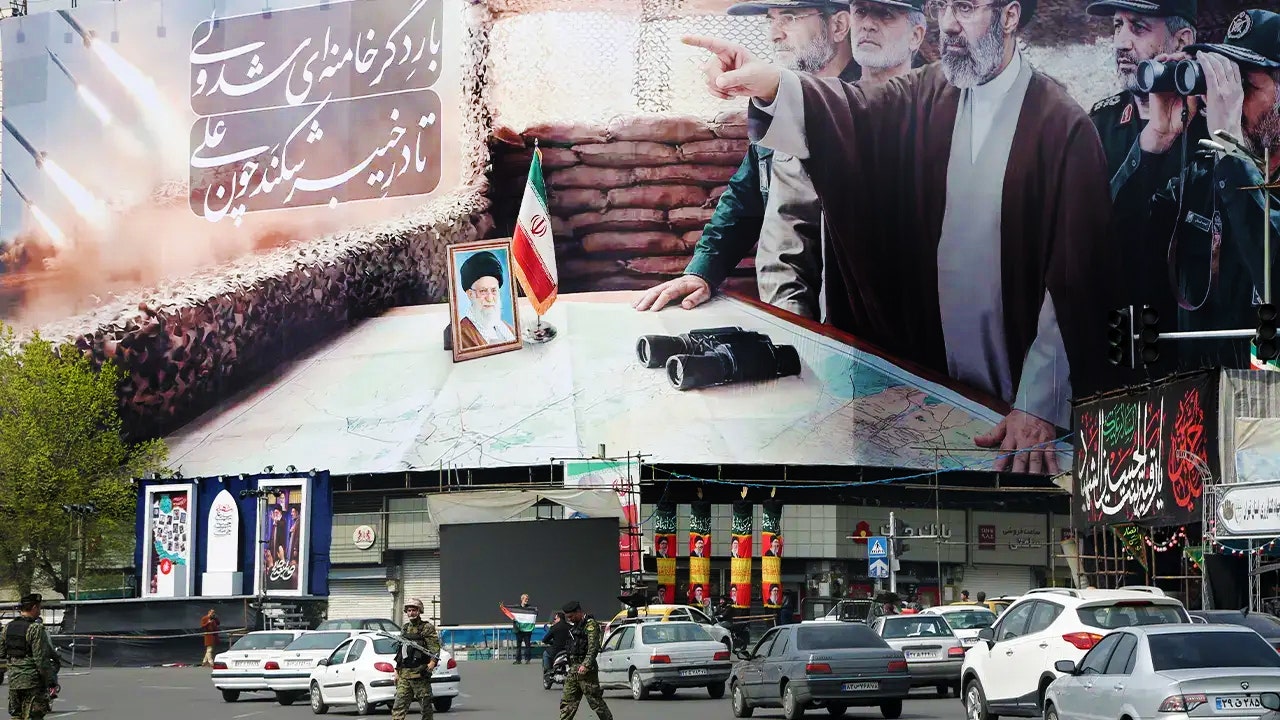










The war between the US and Iran has disrupted global energy markets, driven oil and gas prices up and jeopardised supply routes.
ADVERTISEMENT


ADVERTISEMENT
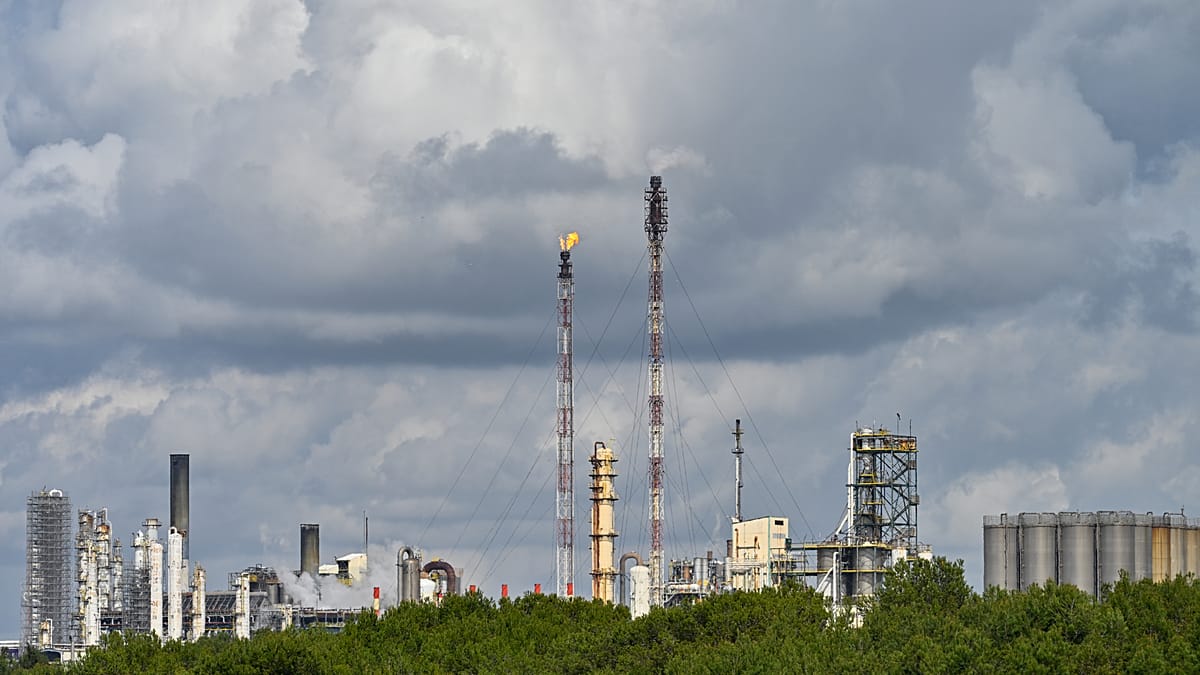
A key pressure point is the partial closure of the Strait of Hormuz, a major transit route for liquefied natural gas (LNG), which Europe has increasingly relied on since Russia’s full-scale invasion of Ukraine in 2022.
The EU subsequently took steps to reduce its dependence on Russian fossil fuels, turning instead to alternative suppliers such in the Middle East and accelerating the deployment of renewables.
Maria Zakharova, spokesperson for Russia’s foreign ministry, mocked the EU for having to “come up with ever new ways of coping with reality”.
In a post on Telegram that has 266,000 views, she said, “Rising fuel prices caused by American–Israeli aggression against Iran and Brussels’ energy self-castration are forcing people in the EU to come up with ever new ways of coping with reality.”
She added that her comments were based on the fact that “a large Dutch company that supplies energy resources to the public, Energiebank, has suggested that people reduce the duration of their showers.”
However, the campaign referred to by Zakharova – and upon which she based her statement – was actually published in 2021 and is therefore completely unrelated to the conflict in the Middle East.
The online initiative was developed by the Dutch organisation Energiebank as part of efforts to tackle energy poverty in the country.
It offered 10 simple tips to help households reduce their energy consumption and lower their bills. These included recommendations such as spending less time in the shower, lowering heating by one degree Celsius, and drying clothes without a machine.
This advice was based on research conducted by the Amsterdam University of Applied Sciences in 2021.
The study found that more than 500,000 Dutch households were spending over 10% of their income on energy, often due to inefficient energy use. Estimated savings were also calculated using 2021 energy prices, which further confirms the campaign’s original context.
The advice was intended to address these structural issues and not in response to a geopolitical crisis. In fact, the initiative reflects a long-standing European focus on energy efficiency and cost reduction rather than emergency measures linked to the US-Israeli war with Iran.
Europe bracing for price shocks
Though Zakharova’s claims are wrong, Europe is indeed bracing itself for energy further energy shocks. So far, European leaders have said they will not waiver sanctions on Russian oil and gas put in place after Moscow’s full-scale invasion of Ukraine in 2022.
This is despite the conflict between the US and Iran disrupting traffic through the Strait of Hormuz, a key route for global oil and gas shipments, through which around 8.7% of Europe’s LNG imports now transits.
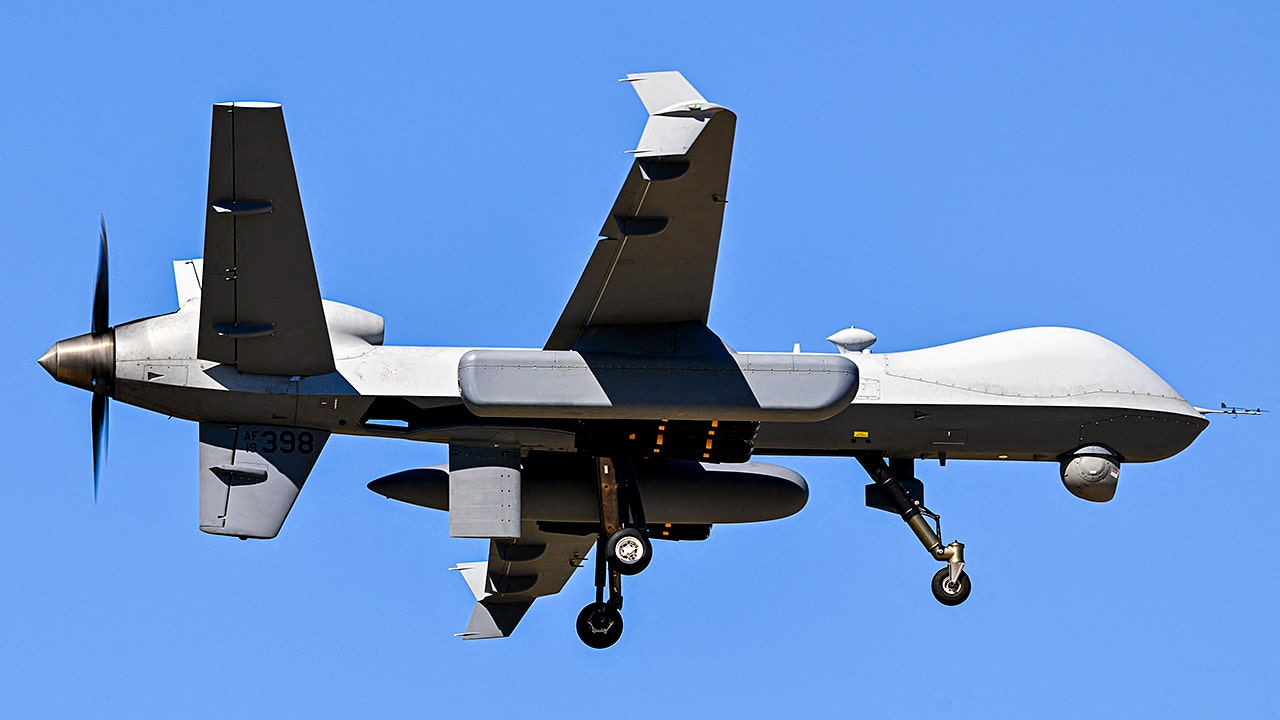
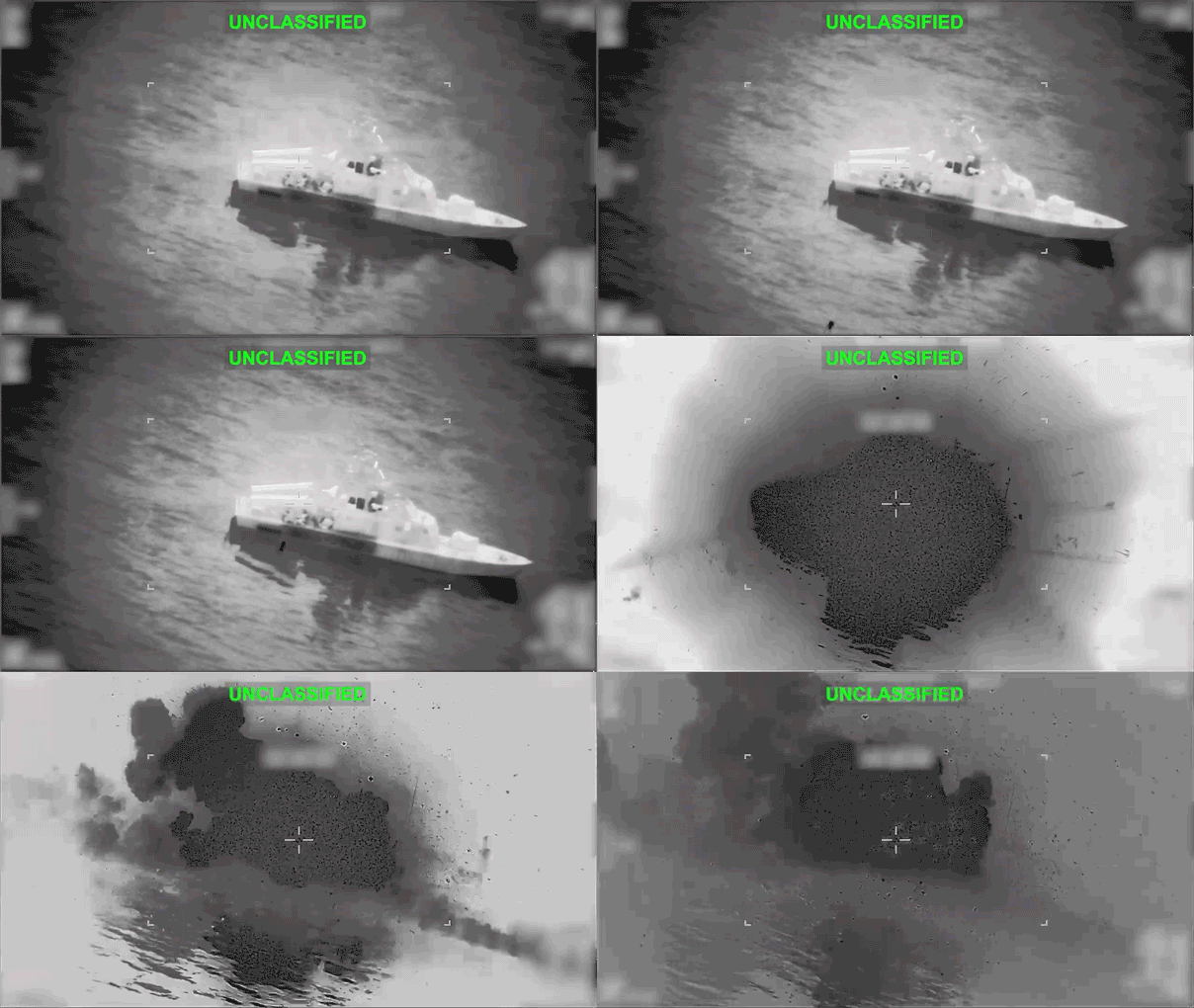
After the US and its allies launched strikes, Iran retaliated by deploying sea mines and drone swarms, which has effectively paralysed traffic in the strait. It also implemented a selective blockade, announcing that the waterway was only closed to ‘hostile’ nations, including the US, Israel and their Western allies.
This blockade has forced major shipping firms to abandon the route, causing global energy prices to skyrocket and triggering an immediate food security crisis in the Gulf.
This matters for Europe because, according to the Ifo Institute, around 8.7% of Europe’s LNG imports now pass through this corridor. As a result, supply disruptions in the Strait can quickly translate into higher prices and tighter availability across the continent.
However, the bloc is taking this as a challenge: it has strengthened gas storage requirements, ensuring reserves are filled ahead of winter.
It is also currently expanding LNG import capacity and diversifying suppliers, including the United States and Norway and invested heavily in renewable energy, which now accounts for a growing share of overall consumption. In 2024, 25.4% of all energy consumed in the EU came from renewable sources, up from 24.5% in 2023.
New infrastructure plans aim to better connect national electricity grids and improve cross-border energy flows. Together, these measures are designed to increase resilience and gradually reduce dependence on external fossil fuel sources that are vulnerable to geopolitics.
Read the full article here