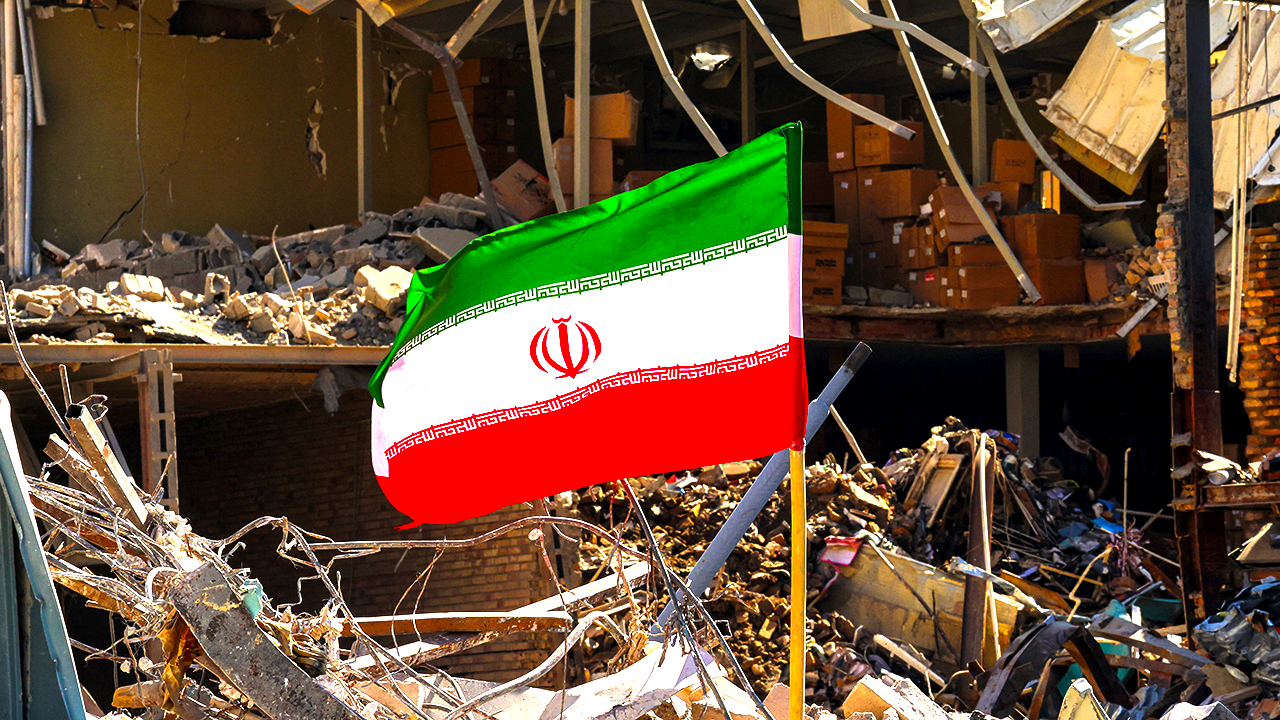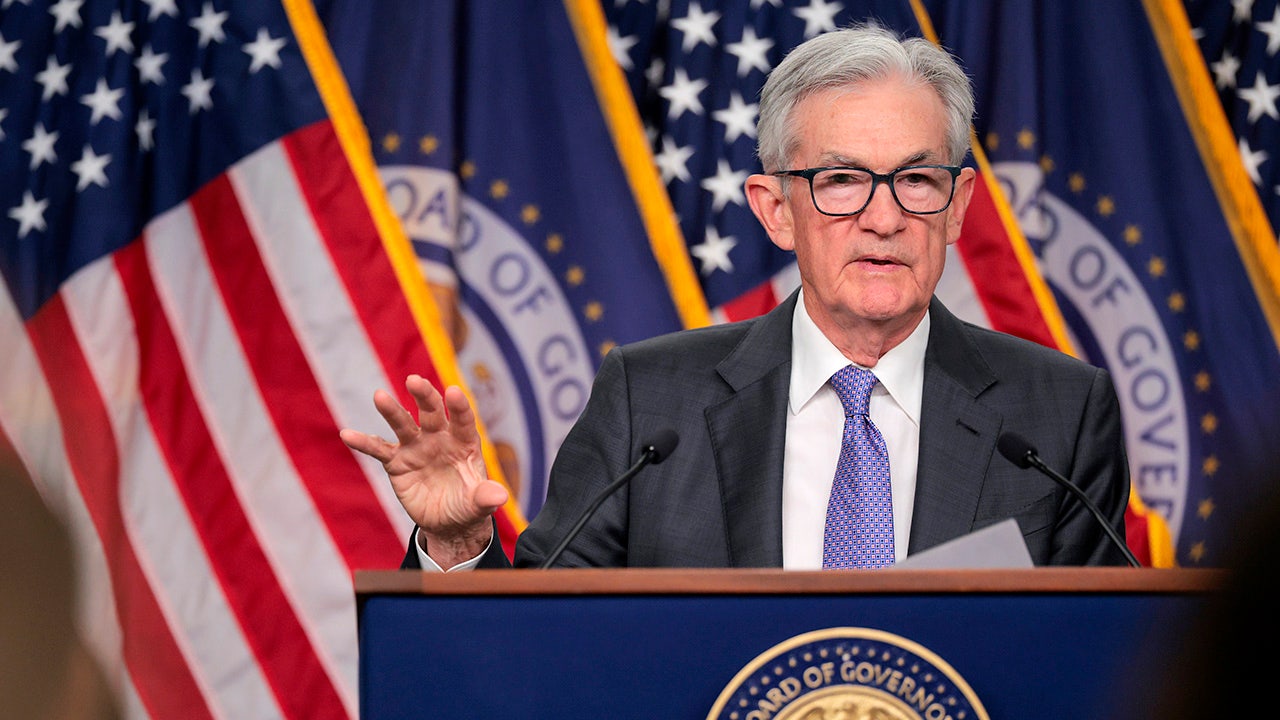










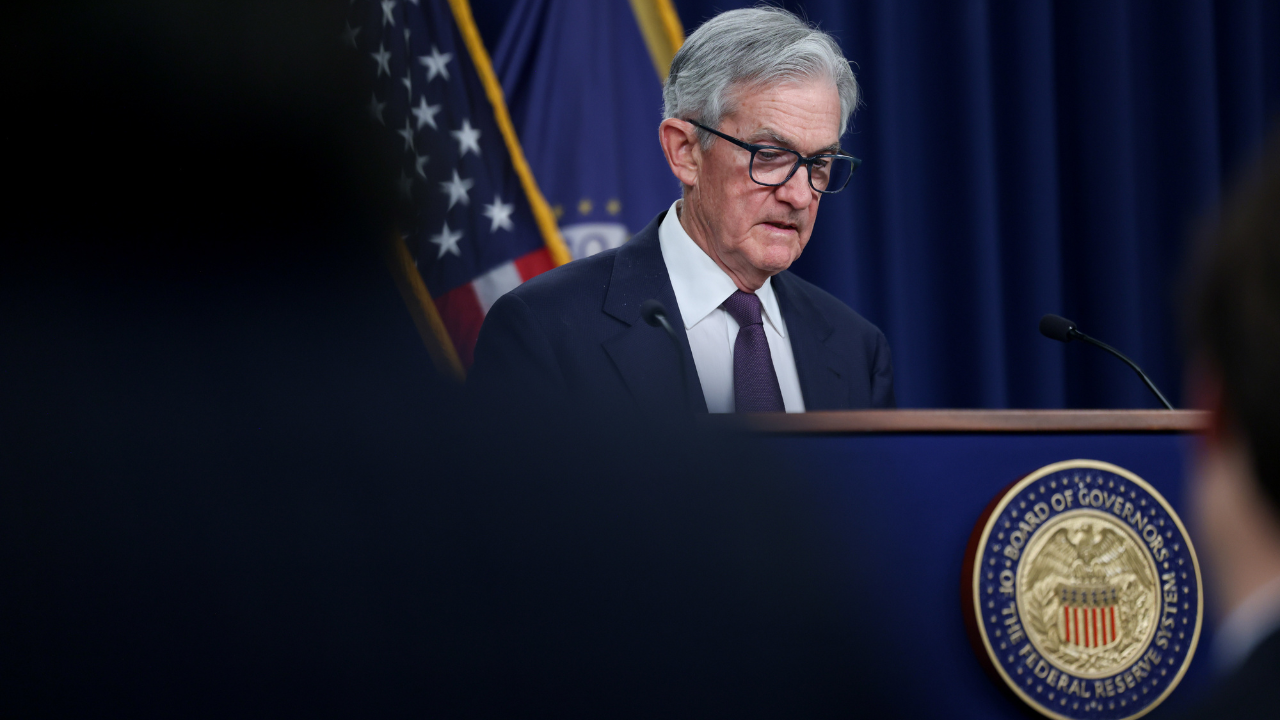
Federal Reserve Chairman Jerome Powell said Wednesday it was “too soon” to assess the economic consequences of the ongoing war in Iran.
“The implications of events in the Middle East for the U.S. economy are uncertain. In the near term, higher energy prices will push up overall inflation, but it is too soon to know the scope and duration of the potential effects on the economy. We will continue to monitor the risks to both sides of our mandate,” Powell said.
He said the broader economic fallout remains uncertain, though rising energy costs are likely to lift inflation in the near term.
“The U.S. economy is doing pretty well. It’s just we don’t know what the effects of this will be. And, really, no one does,” Powell said.
TRUMP DEMANDS POWELL CUT RATES AS IRAN CONFLICT DRIVES UP ENERGY PRICES
Powell’s comments came as tit-for-tat strikes in Iran and across the Middle East helped push crude above $100 a barrel for the first time since 2022, rattling global markets and renewing concerns about tighter energy supplies.
That pressure is beginning to reach consumers. As oil prices climb, gasoline and diesel prices are also rising — especially diesel, which often moves faster because of its close ties to freight and industrial demand.
GAS PRICES SURGE, PINCHING AMERICANS AND HANDING THE GOP A NEW MIDTERM HEADACHE
Fed policymakers voted to leave the benchmark federal funds rate unchanged at a range of 3.5% to 3.75%. The decision followed the central bank’s move in January to hold rates steady after three successive quarter-point cuts in September, October and December.
Economic data showing a slowdown in the labor market, inflation still running above the Fed’s 2% target and unrest involving Iran all helped keep policymakers on hold.

CLICK HERE TO GET FOX BUSINESS ON THE GO
The Federal Open Market Committee voted 11-1 to leave rates unchanged, with Fed Governor Stephen Miran dissenting in favor of a 25-basis-point cut.
For President Donald Trump, the timing is politically difficult.
He campaigned on lowering costs for Americans, but the conflict involving Iran now threatens to do the opposite, driving up energy prices and putting fresh pressure on one of his core economic promises.