










The EU’s long-delayed Entry/Exit System (EES) for non-EU nationals began being phased in last October.
The gradual scale-up of the biometric border technology has already experienced teething problems, causing significant delays for air, ferry and Eurotunnel passengers.
A survey by Holiday Extras last year found that 82 per cent of respondents were unclear as to how the new EES will impact trips, with 35 per cent unaware that the new rules come this weekend.
Nearly one in five holidaymakers has already changed or cancelled travel plans, with many citing worries about border delays.
If you are due to travel to the EU soon, here’s how you can prepare to make the process easier.
Will the EES be in place at all airports this summer?
The EES is being introduced to bolster border security and identify travellers who overstay their permitted time in the Schengen Area (90 days within a 180-day period).
The new system requires Europe’s border crossings to have dedicated infrastructure installed, a process which has proved complicated.
Many airports now have this technology in place, which means visa-exempt travellers from the UK, US and other non-EU countries must register their biometric data at dedicated kiosks.
Initially, the threshold for EU countries to register third-country arrivals was set at only 10 per cent. From 9 January 2026, this increased to 35 per cent.
The system was due to become fully operational across the EU’s borders in April 2026, but this has now been pushed back to September 2026over fears of summer travel chaos.
The decision means member states have greater flexibility to manage the transition to biometric data collection based on how their transport hubs are coping.
For travellers, this means you may still get your passport manually stamped at borders over the next few months.
When will border checks begin for Dover, Eurostar and Eurotunnel travellers?
For travellers leaving the UK via the Port of Dover, the Eurotunnel terminal in Folkestone and the Eurostar terminal at London St Pancras, EES registration will take place upon departure, overseen by French border officials.
At both the Port of Dover and the Eurotunnel terminal, only freight and coach traffic is currently subject to EES checks.
Other traffic, including the thousands of car passengers who use the crossings each day, was due to use the new system from 1 November.
However, port authorities have delayed the introduction of the EES for tourists until “early 2026“.
As for Eurostar, from 12 October only business and premium class passengers have been subject to EES checks. For other passengers, they were due to begin in January 2026 but appear to be delayed.
What does the EES mean for travellers?
At borders where the EES is in place, travellers from UK, US and other non-EU countries will need to scan their passports or other travel documents at a self-service kiosk. It will not apply to legal EU citizens or residents or those with long-stay visas.
The system will register the traveller’s name, biometric data, and the date and place of entry and exit. Facial scans and fingerprint data taken during the first registration are stored in the EES database for three years.
During this period, travellers will only need to provide a fingerprint or photo at the border when entering and exiting, which will be matched against stored data.
Will the EES cause border delays?
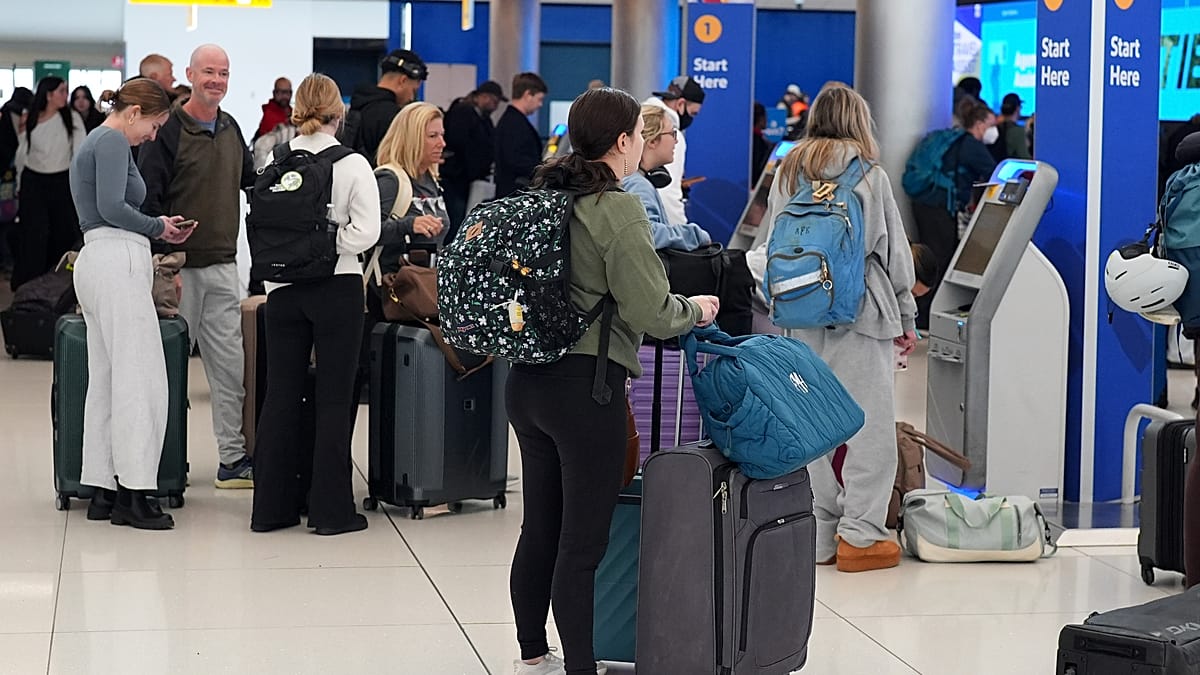
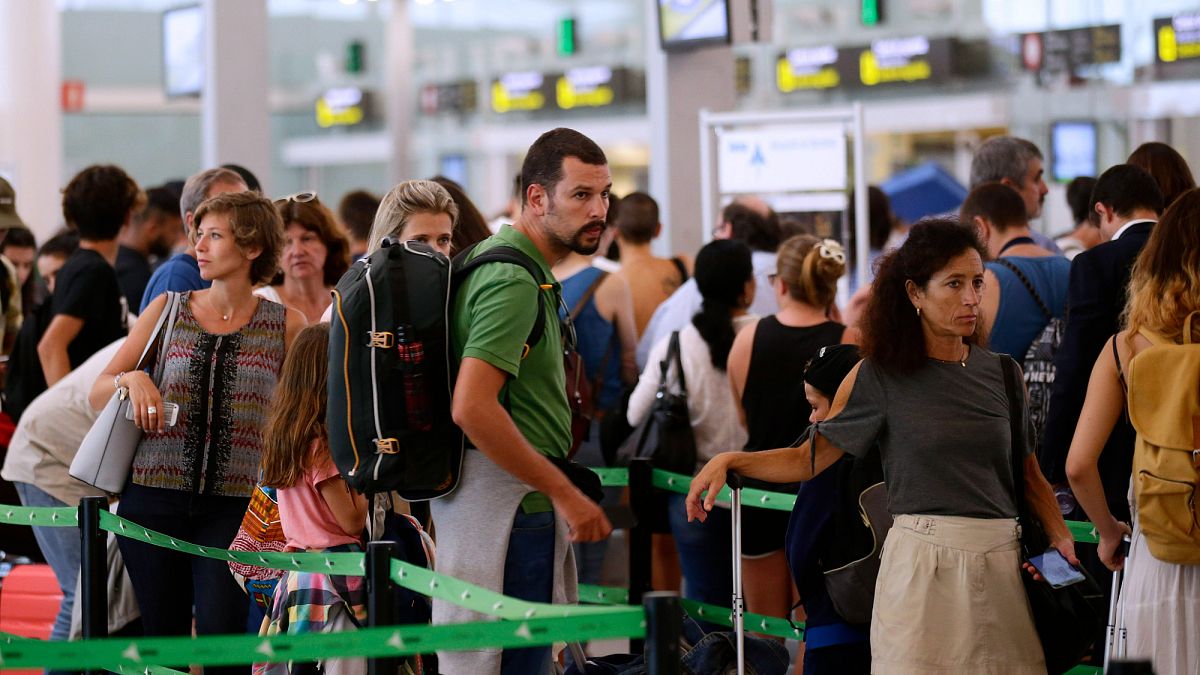
The new border checks are already causing headaches for passengers, who have reported long lines as people navigate the processing procedures for the first time.
In some cases, delays have resulted in passengers missing their flights.
A report published at the end of last year from Airport Council International (ACI) Europe found that the progressive rollout of the biometric system has resulted in border control processing times at airports increasing by up to 70 per cent, with waiting times of up to three hours in peak traffic periods.
In December, Lisbon Airport was forced to suspend the EES for three months after “serious deficiencies” at border control resulted in excessive waiting times, which reportedly reached seven hours.
Eurostar will double the number of booths for EES launch
Cross-Channel train service Eurostar has taken precautions to ease delays at the border.
Facing overcrowding due to the limited capacity of the historic London St Pancras station, it is allowing passengers to board trains earlier.
Travellers can now take their seats 30 minutes before departure, instead of waiting in the departure lounge.
The operator says the measure will avoid additional delays for check-in, security and border checks when the EES system launches, and later for the ETIAS.
Eurostar will also double the number of border staff and manual booths.
There isn’t space for all of the new EES kiosks, up to 49 from 24, in their usual location, so they’ll be installed at various other places around the station, currently used by both domestic rail operators and the HS1 service, a high-speed railway linking London with the Channel Tunnel.
Eurostar has also assured passengers that there will be “specially-trained staff available at all times” at the new booths.
EES will be followed by ETIAS in 2026
The EES will be followed by the European Travel Information and Authorisation System (ETIAS) in late 2026, with a transitional grace period of at least six months, meaning it won’t be mandatory until 2027.
This will require non-EU travellers who don’t need a visa to obtain authorisation before entering the Schengen Area.
This will require you to complete an online application, provide personal details, answer security questions and pay a €20 fee. This authorisation will be linked to the traveller’s passport and will be valid for three years or until the passport expires.
Travellers from 60non-EU countries will need to comply with the ETIAS, but there are some exceptions. The fee will be waived for children under 18 and adults over 70, although they will still need to apply for authorisation.
Read the full article here