








For the past four years, European leaders have been working overtime to defend Ukraine’s sovereignty and territorial integrity against Russia’s war of aggression, often putting together strongly worded statements of condemnation, holding phone calls at late hours and getting together for hastily convened crisis meetings.
But this past weekend, the script flipped in dramatic fashion.
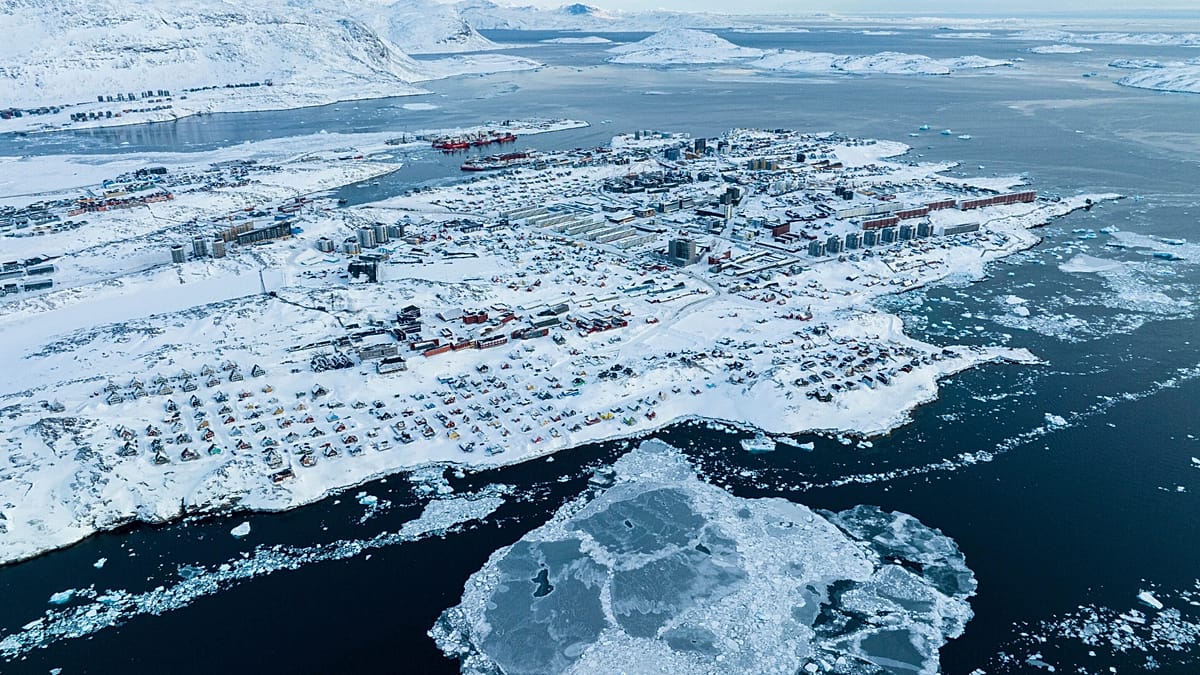
European leaders found themselves doing the exact same thing – joint statements, phone calls and crisis meetings – to defend Denmark’s sovereignty and territorial integrity against a country that, on paper, is supposed to be their time-honoured ally and main security guarantor: the United States.
“Together we stand firm in our commitment to uphold the sovereignty of Greenland and the Kingdom of Denmark,” Ursula von der Leyen said on Sunday after speaking with the leaders of France, Germany, the United Kingdom and Italy.
“We will always protect our strategic economic and security interests. We will face these challenges to our European solidarity with steadiness and resolve.”
The president of the European Commission’s words could have been copied and pasted from one of her many speeches pledging “unwavering support” to Kyiv’s resistance.
The spectacle of the last several days has made clear the impossible puzzle that Europe, a political family bound by a shared commitment to international law, faces in the second Trump era.
Donald Trump’s threat to impose a 10% tariff on eight European countries – Denmark, Finland, France, Germany, the Netherlands, Norway, Sweden and the UK – to strongarm the acquisition of Greenland is extraordinary in its scope and intent: the leader of a NATO country is ready to launch an all-out trade war against multiple allies to seize another country’s internationally recognised territory.
Whether or not Trump actually makes good on his threat, it is alarming enough to undermine the principle of collective defence that has underpinned the transatlantic alliance since the end of World War II and endured countless political shifts.
‘The death knell for NATO’
For Europeans, the jolt to the system could not come at a worse time.
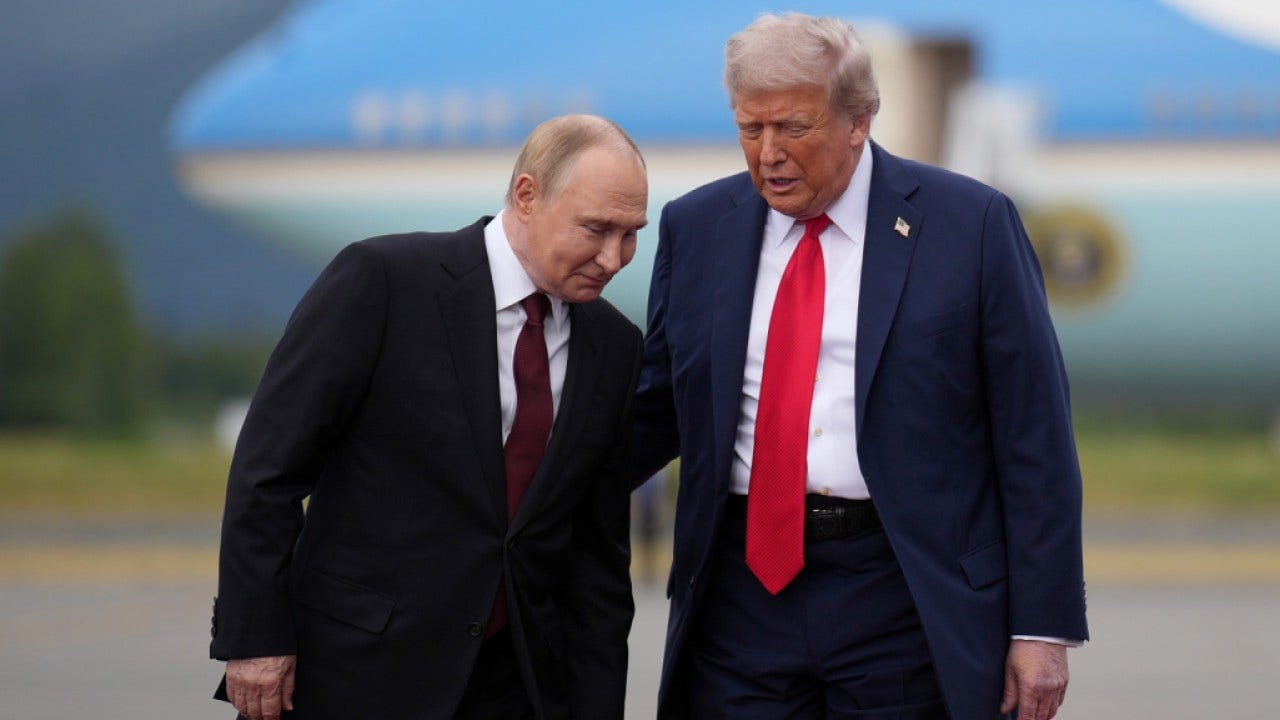
Trump’s escalation coincides with a coordinated push between the two sides of the Atlantic to design security guarantees for a post-war Ukraine. That work, which began in February last year after Trump sidelined Europeans to launch peace talks with Putin, gained traction in the aftermath of a controversial 28-point plan that prompted a concentrated offensive by Western allies to amend the terms.
Earlier this month, US Special Envoys Steve Witkoff and Jared Kushner made their first appearance at a meeting of the “Coalition of the Willing” chaired by France and the UK. The gathering in Paris yielded a communiqué outlining five security guarantees to protect Ukraine after the war and prevent a repeat of the full-scale invasion.
The guarantees would include a high-tech mechanism to monitor a ceasefire led by the US, a multinational force on Ukrainian soil led by France and the UK, and a legally binding obligation to assist Kyiv in the event of a renewed Russian attack.
“President Trump’s mandate is that he wants peace in Ukraine, and we’re determined on his behalf to do everything possible,” Witkoff said.
But now, as Trump ratchets up his threats over Greenland, an uncomfortable question have arisen: Can Europeans really trust the US to come to Ukraine’s aid even as it infringes on Denmark’s sovereignty?
The dilemma has not gone unnoticed among European leaders, who see Ukraine’s future as intrinsically linked to the continent’s security architecture and fear a Russian victory could give Putin carte blanche to go after another neighbour.
In his first reaction to Trump’s tariff announcement, French President Emmanuel Macron drew a direct link between the defence of Ukraine and that of Greenland.
“No intimidation or threat will influence us,” Macron said. “Neither in Ukraine, nor in Greenland, nor anywhere else in the world, when we are confronted with such situations.”
Should Trump make a direct effort to seize Greenland, Europeans might find it intolerable to sit at the same table with US counterparts to discuss common ways to secure Ukraine’s sovereignty. And even if they managed to communicate cordially, the glaring lack of credibility and trust could render the exercise void and null.
Echoing Macron’s warning, Spanish Prime Minister Pedro Sánchez predicted a successful US invasion of Greenland would make Putin “the happiest man in the world”.
“Why? Because it would legitimise his attempt to invade Ukraine,” Sánchez said in an interview with La Vanguardia newspaper. “An American show of force in Greenland would be the death knell for NATO. Putin would be doubly happy.”
Read the full article here