









Faced with growing concerns around overtourism, environmental impact and port congestion, cruise lines are rethinking not just where they sail, but how they operate. In Europe’s cruise sector, the result is a shift away from high-volume itineraries towards smaller ships, longer stays and curated routes that balance visitor demand with the needs of local communities.
ADVERTISEMENT


ADVERTISEMENT
Cruises are also becoming more experience-led. From Formula 1 Grand Prix packages to expedition voyages in the Arctic and immersive cultural exchanges in remote coastal villages, cruise holidays are expanding beyond traditional sightseeing trips by incorporating sport, adventure, wellness and education tourism.
Here Euronews Travel takes a look at some of the biggest trends driving the European cruise industry in 2026.
Smaller ships and smarter itineraries
As European cities tighten regulations on cruise travel, amid overtourism and congestion issues, 2026 is seeing a strategic shift towards smaller ships and secondary ports. Destination-focused brands such as Azamara Cruises and Viking Cruises are benefitting from policies favouring longer stays and reduced congestion. Hurtigruten and Ponant, which operate smaller vessels, are also well positioned as ports prioritise sustainability, local engagement and manageable visitor numbers over high-volume cruise traffic.
Community and cultural exchange
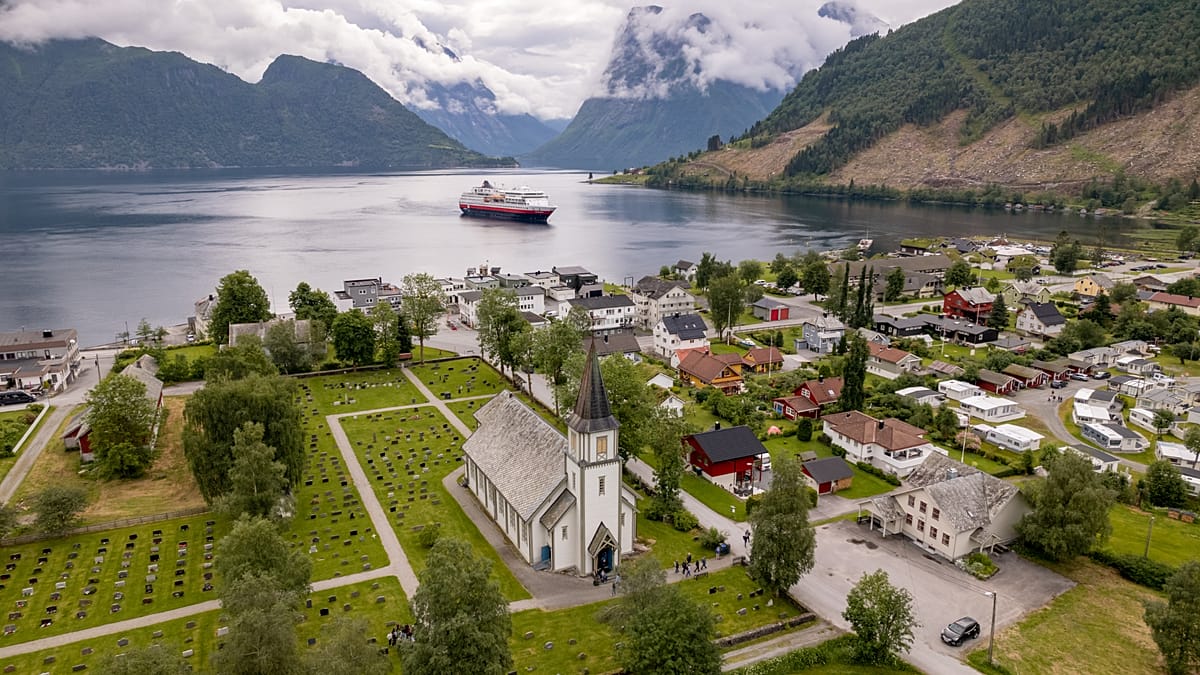
European cruising is moving towards community-led shore experiences, prioritising cultural exchange over mass excursions. Hurtigruten has recently expanded its popular “Open Village” programme, which invites guests into small Norwegian coastal communities to experience everyday life, local food and traditions. Expedition-focused operators are adopting similar models, reflecting a wider industry push to reduce overtourism while delivering more socially responsible travel. Another growing trend is learning-led sailings with cruise lines offering education, storytelling and cultural exchange rather than pure leisure.
F1-themed packages
In 2026 several operators are offering Formula 1 Grand Prix cruise travel packages, with curated land-sea itineraries. As a partner of F1, MSC Cruises and its luxury brand Explora Journeys offer themed events and exclusive experiences around key European races, including Monaco. Cruise lines such as Cunard and Azamara Cruises also offer all-inclusive luxury trips to races like Monaco and Barcelona, which include race tickets.
Luxury experiences
Luxury cruising is evolving, with travellers prioritising curated experiences, wellbeing and personalisation. Brands such as Regent Seven Seas Cruises and Silversea Cruises are focusing on immersive shore programmes and longer port stays. Newer entrants like Explora Journeys are positioning Europe as a slow travel destination, favouring smaller ships, understated luxury and culturally driven onboard experiences.
Adventures and expeditions
Expedition cruising is no longer niche in Europe, with 2026 seeing strong demand for adventure-led itineraries across Norway, Iceland, Greenland and the Arctic Circle. Operators such as Hurtigruten and Lindblad Expeditions are attracting travellers seeking wildlife encounters, expert-led exploration and deeper engagement with nature.
Slow travel on a river cruise
River cruising continues to gain momentum as travellers seek slow, scenic and culturally immersive journeys through Europe’s historic waterways. Operators such as Viking Cruises, AmaWaterways and Uniworld are expanding thematic itineraries focused on gastronomy, wine and heritage. Docking directly in city centres, river cruises offer ease of access and align with growing demand for lower-impact, experience-led travel.
Sustainability and green technology
Sustainability is influencing itinerary planning and traveller choice for European cruises in 2026. MSC Cruises is investing heavily in LNG-powered ships and shore power infrastructure, while Hurtigruten continues to focus on emissions reduction and local sourcing. German brand AIDA Cruises is also integrating greener technologies across its European fleet, as cruise lines respond to mounting regulatory pressure and rising consumer expectations.
A younger audience
Cruising in Europe is attracting a younger demographic in 2026, driven by flexible itineraries, strong value and social onboard environments. Cruise lines attracting a younger audience include Virgin Voyages, which is appealing to Millennials and Gen Z with adults-only sailings and port-rich Mediterranean routes. Meanwhile, Norwegian Cruise Line and MSC Cruises are also tailoring shorter European itineraries to younger travellers seeking cultural depth without long-haul flights.
Health and wellbeing
Wellness cruising is booming in 2026 as operators embed holistic wellbeing into itineraries. Explora Journeys emphasises ocean-inspired spa, fitness and mindfulness programmes, while Sail Croatia has adopted the wellness trend with hike and cycle cruise itineraries for this year. AmaWaterways also provides fitness, relaxation and wellbeing facilities on scenic European river cruise routes.
Read the full article here