









The European Commission slapped a €120 million fine on Friday on Elon Musk’s social media platform X, formerly known as Twitter, for the first time under its landmark Digital Services Act following a two-year investigation.
At the centre of the probe is the blue checkmark, previously used to signal official accounts at no cost but now sold for €7 a month, which risks confusing users about the veracity of identities.
Under the new X settings, an account with a checkmark may not signal a real user and could instead be a bot, the Commission said. As a result, it decided to impose a financial penalty for a breach of the EU’s DSA rules.
Secondly, the Commission found that X did not comply with the transparency obligation for advertising on social media platforms, blurring the line between advertising and content that could lead to financial scams for users.
The Commission argued that users and authorities cannot access an updated register of advertisers on the site, which could also be problematic during election campaigns, as the origin of the claims is unclear.
X has failed to provide a reason why some advertisements were targeting specific users.
The Commission also criticised X for failing to provide researchers with data on views and likes, despite this being an obligation under the DSA.
The amount of the fine is based on “proportionality” according to a Commission official. The total is based on the calculation that the blue checkmark violation should be fined a €45 million, the breach of data access for researchers at €40 million and the lack of access to the advertising register €35 million.
Still, the Commission’s penalty is well below the maximum fine of 6% that the DSA can impose based on X’s total global turnover.
Overall, the sanction is relatively small compared to previous fines against other US tech giants, which dominate the European digital market.
In April, under the EU Big Tech antitrust law, Apple and Meta were fined €500 million and €200 million, respectively.
European digital probe into Musk’s X
The Commission’s investigation took two years before it decided to fine X, a delay criticised by various governments and former Commissioner Thierry Breton, who worked on the file under the first von der Leyen Commission.
An EU official told Euronews that the delay was caused primarily by the Commission’s goal to build a strong legal case anticipating that X will likely pursue a lawsuit to counter the findings.
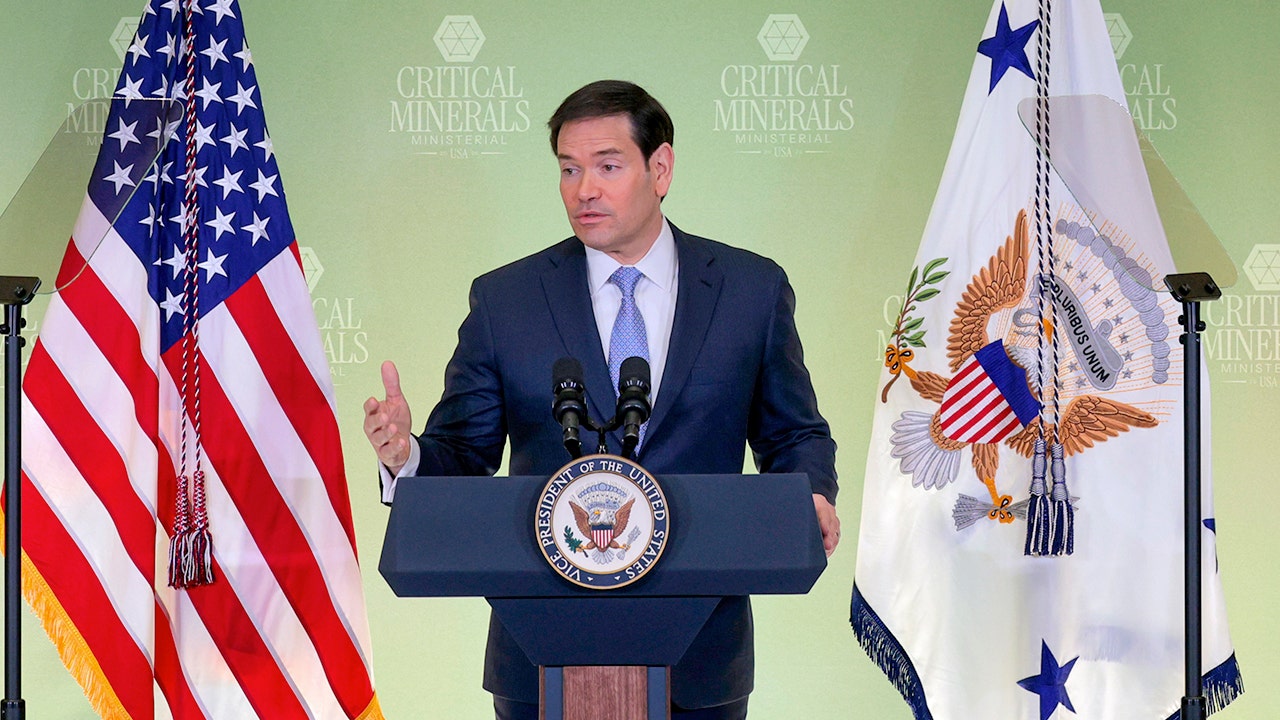
US Vice President JD Vance published a post on Thursday on X slamming the decision before it was even announced.
“Rumours swirling that the EU commission will fine X hundreds of millions of dollars for not engaging in censorship,” he wrote.
“The EU should be supporting free speech not attacking American companies over garbage,” he added.
Vance has been a strong advocate against the EU digital rules. Last February during the Munich Security Conference, he called the European Commissioners “EU commissars”, the political police of the Soviets.
Two other investigations against X are still ongoing, one regarding how X is dealing with illegal content, how users can flag it, and how efficiently the platform deletes it.
Another one focuses on their algorithm recommendation – especially when it comes to terrorism radicalisation and during election campaigns.
The same day, the Commission also announced welcoming TikTok’s commitment in terms of these advertising repositories. The Chinese video platform giant has been under investigation since earlier this year and has committed to improving its system.
Read the full article here