









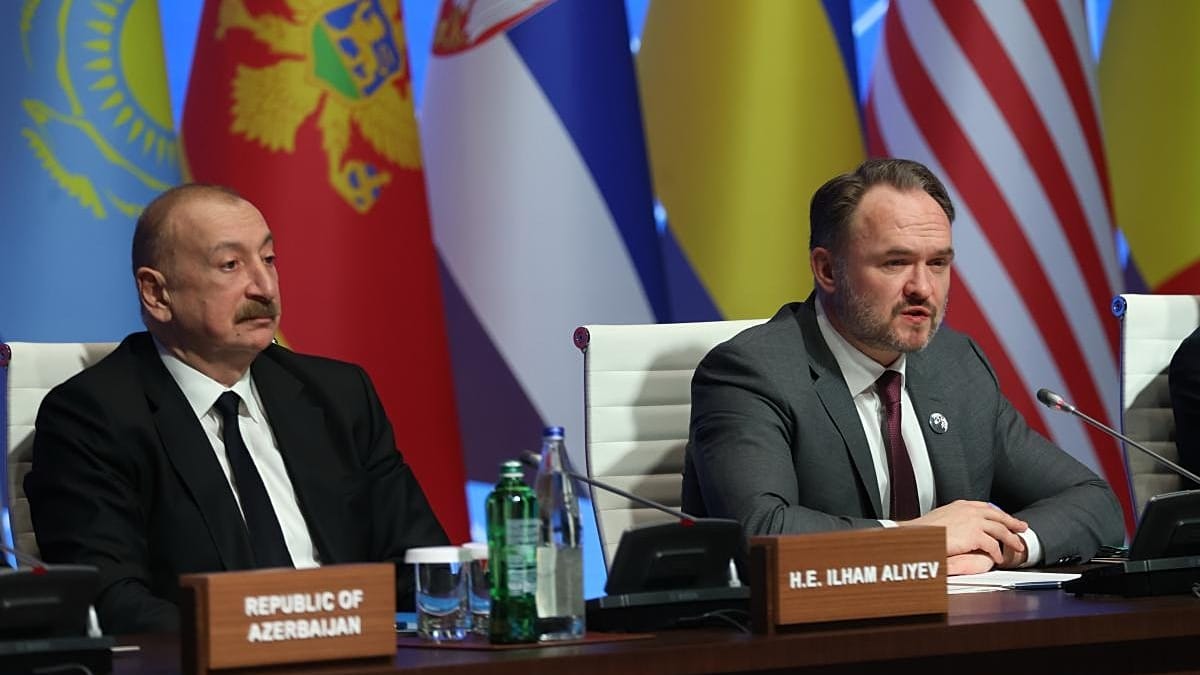
European Energy Commissioner Dan Jørgensen hailed his visit to Azerbaijan on Tuesday as “fruitful” as the European Union deals with the halt in liquid natural gas (LNG) production from Qatar, an important energy exporter, and the impact of the Strait of Hormuz’s closure amid the conflict in the Middle East.
ADVERTISEMENT


ADVERTISEMENT
“Diversification, energy security and clean transition are top priorities. This is even more important in the context of the ongoing tensions in the Middle East,” Jørgensen wrote on X, as EU imports from Qatar accounted for 8% in 2025, according to real-time data and intelligence market Kpler Insight.
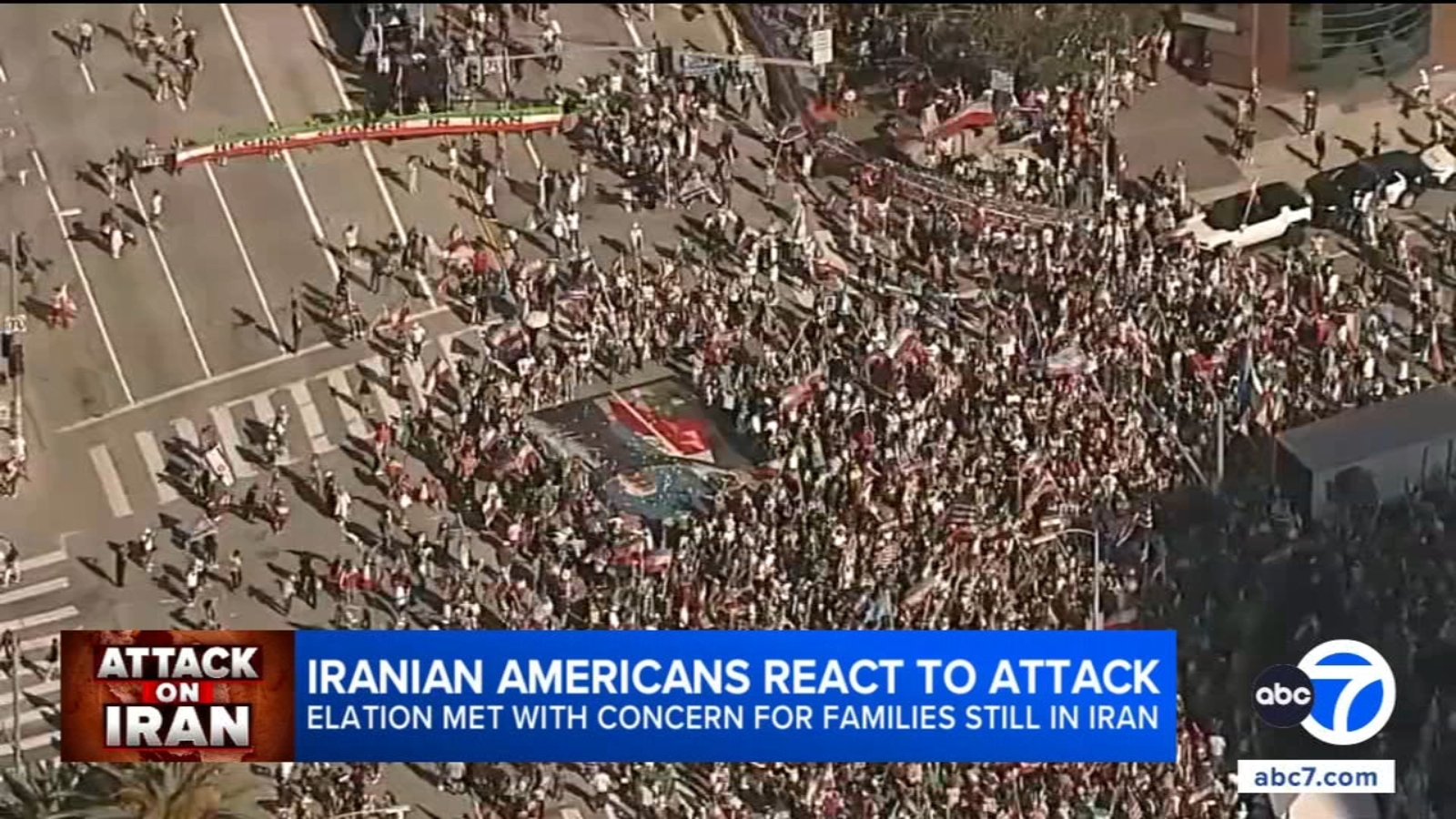
The EU is suffering collateral economic impact from the escalating conflict in the Middle East, which began with strikes on Iran by the United States and Israel over the weekend.
As a response to the offensive, which has already killed the Iranian Supreme Leader Ayatollah Khamenei, Iran has been striking US military bases across the Gulf States. The result has been a surge in oil and natural gas prices and the closure of the critical Strait of Hormuz.
Lying between the Persian Gulf and the Gulf of Oman, the strait is a narrow shipping corridor largely under Iranian control, and serves as one of the world’s most critical energy choke points for oil and LNG, including shipments from Qatar.
But Qatari supplies of the superchilled fuel won’t be reaching European ports in the near future, with state-owned QatarEnergy announcing on Monday that it has suspended LNG production altogether following Iranian attacks on the company’s operating facilities in Ras Laffan and Mesaieed.
“As we continue to reduce our dependencies on Russian gas, the importance of our partnership with Azerbaijan will increase, bringing benefits for Europe’s energy security and Azerbaijan’s economy,” said Jørgensen on the sidelines of a high-level energy meeting held in Baku.
US and Norway major suppliers
On Tuesday, a Commission spokesperson rejected the notion of a supply crisis, hailing the United States and Norway as key reliable partners in fuel supply while recognising that the top concern is to keep prices stable.
Until February 26, US LNG imports accounted for 56% of the bloc’s total, while Norway accounted for 4%, according to Kpler Insight data.
“We will reassess if something changes,” the Commission spokesperson told Euronews. “Nothing points to a problem. We have a very diversified supply chain, more global than European. But the prices are a concern for sure, but not how to get the gas.”
Currently, EU gas storage stands at 30%, compared to 38% this time last year, according to Charles Costerousse, senior LNG & natural gas analyst at data and intelligence market Kpler Insight.
Before the Middle East’s severe crisis, the energy analyst expected storage levels to hit 89% by 1 November due to incoming supply, mainly from the US.
“We are currently revising this number as part of our monthly LNG report, so it could change in the next few days. If LNG supply disruptions were to persist, we could see this number dip a little, but we are still assessing the impact,” Costerousse told Euronews.
The biggest importers of Qatari LNG
Costerousse said Asian countries, such as Pakistan, Bangladesh, and India, are much more reliant on Qatari LNG than European countries and hence more prone to supply disruptions.
“The EU countries most exposed to disruptions in Qatari volumes are Italy, Poland, and Belgium, as 30%, 17% and 8% of their imports in 2025 came from Qatar, respectively,” Costerousse told Euronews.
Cousterousse added that at the moment, the EU is not at risk of LNG shortages, noting that so far no diverted cargoes have been spotted. However, he added that Asian countries are likely to urgently seek more LNG shipments from the Atlantic region, which could widen the price gap between Asia and Europe.
Since Russia’s invasion of Ukraine, Brussels has sought to sharply reduce its reliance on energy from Russia, replacing pipeline gas with alternative pipeline partners and global LNG imports.
Azerbaijan, connected to Europe through the Southern Gas Corridor, has positioned itself as a reliable non-Russian supplier and a key component of the EU’s diversification strategy, accounting for 4% of EU imports in 2025, according to EU data.
In the same year, Baku supplied 12.5 billion cubic meters of natural gas to EU countries, an increase of 53.8% from 2021 levels.
Yet the move to engage with Azerbaijan may attract criticism over human rights concerns and regional tensions in the South Caucasus.
But others may argue that the current climate of supply disruption and geopolitical risk justifies securing additional Azerbaijani volumes, signalling the bloc remains committed to reducing its exposure to Russian energy.
‘Biggest wake-up call’
Ana Maria Jaller-Makarewicz, lead energy analyst at the Institute for Energy Economics and Financial Analysis Europe, said the renewed energy crisis overshadowing Europe is “the biggest wake-up call to electrify since the full invasion of Ukraine”.
“Once again, we see that Europe’s energy security is jeopardised by supply disruptions, by import dependencies, price volatility and market uncertainty. And we already found a solution: replacing gas consumption with renewables and energy efficiency is key to decreasing this dependency on gas and energy imports,” Jaller-Makarewicz said.
Jan Rosenow, professor of energy and climate policy at the University of Oxford, said the timing for this renewed energy crisis couldn’t be “more interesting”, reacting to recent calls from Italy and others to scrap the bloc’s carbon market, its major climate policy channelling carbon costs towards investments in clean technologies.
“We’ve just seen last week the German government roll back the heating law, which drove heat pump deployment. I could count more recent rollbacks of policies that emerged from RepowerEU and the 2022 energy crisis, and now we suddenly find ourselves in a similar situation again. So it’d be very interesting to see whether that will have the reverse effect,” said Rosenow.
The European Commission will hold a technical meeting on Wednesday with oil and gas experts as part of its monitoring process.
Read the full article here