








As high costs continue to affect industries and economic competitiveness, the European Commission plans to protect its heavy industry from rising electricity prices by considering changes to national taxes, network charges and carbon costs, a document discussed by EU leaders and seen by Euronews reveals.
ADVERTISEMENT


ADVERTISEMENT
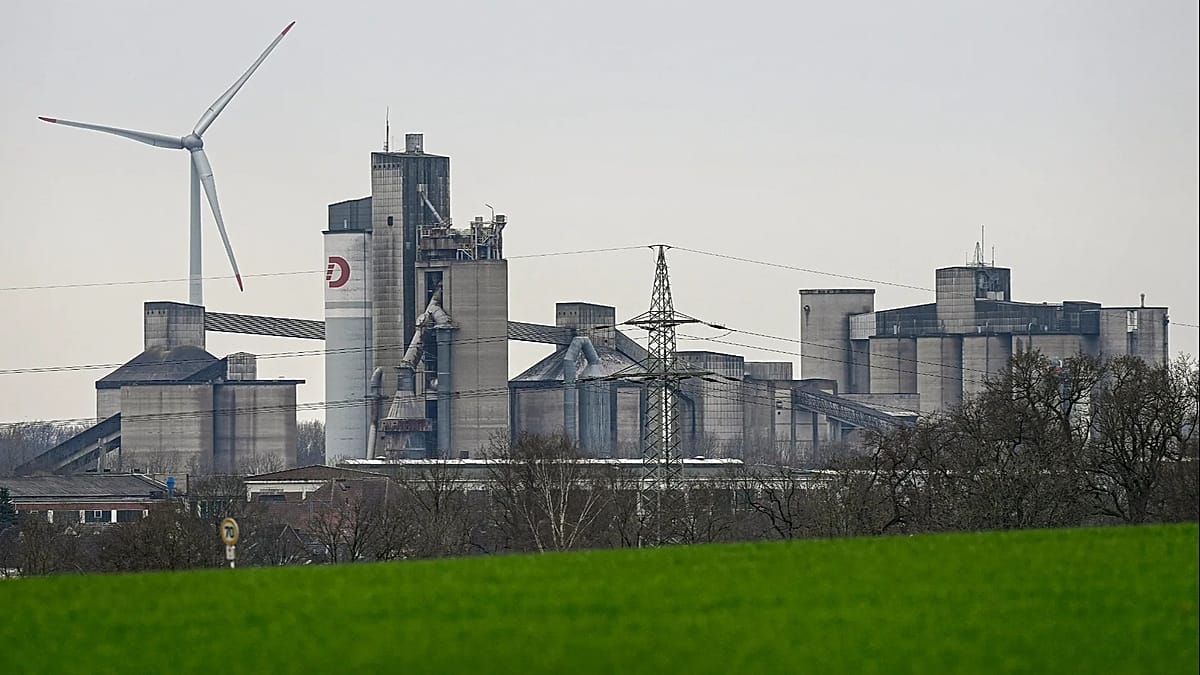
Energy-intensive industries such as chemicals, steel, and aluminium, which depend heavily on large amounts of power to operate, have been calling on the EU to address rising electricity and gas prices even before energy prices soared further after the United States and Israel launched their strikes on Iran.
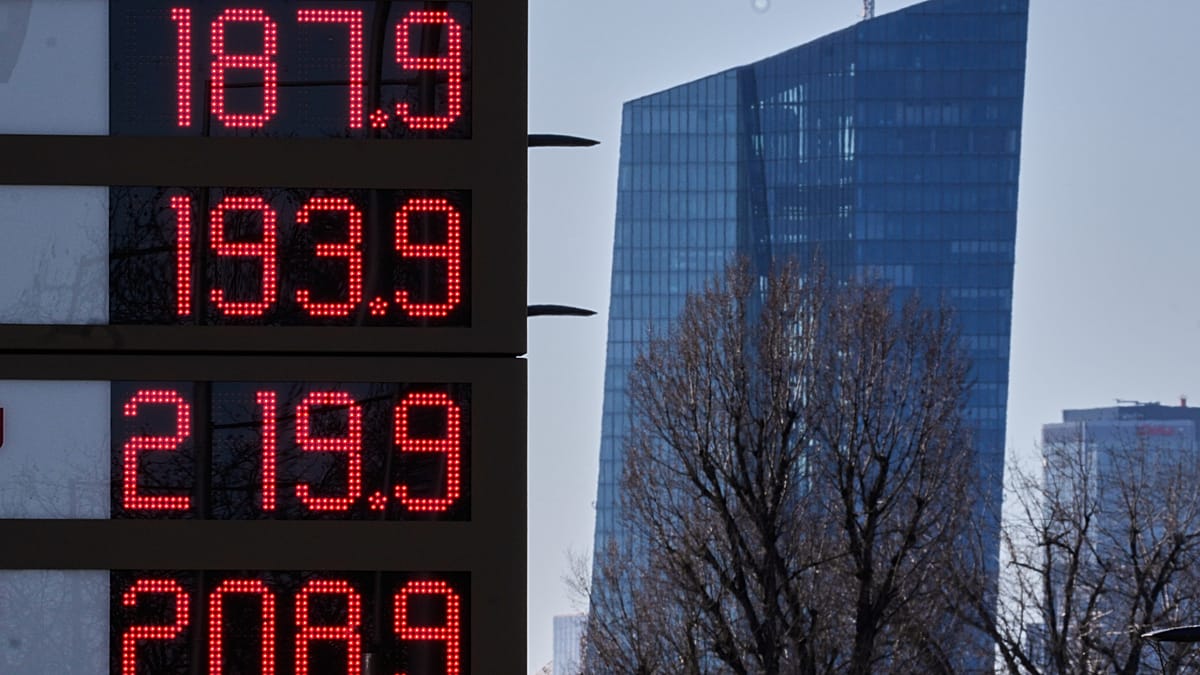
Industrial electricity prices in the EU were more than twice as high as those in the US and China during the first half of 2025, the Commission document states, with gas prices even higher, reaching four times those in the US.
EU leaders are considering changes to be discussed at the European Council meeting scheduled for 19 and 20 March.
Italy’s Prime Minister Giorgia Meloni took action ahead of the high-level summit, telling local media on March 4 that Rome is prepared to increase taxes on companies that make excessive profits from the surge in gas prices caused by the Middle East crisis.
“We will do everything we can to stop speculation. I am ready to react, if necessary, even by raising taxes on companies that may speculate on prices through energy bills,” Meloni said.
Meanwhile, in Brussels, EU leaders have identified three key targets for a quick relief on energy prices.
They want to tackle national electricity taxes, which widely vary across the EU27 and can reach as high as 22%, representing around 10% of energy bills in several EU countries.
Also on the EU leaders’ summit agenda will be how to deal with network charges, which cover the infrastructure used to deliver electricity and, on average, account for 18% of the bill for industrial consumers.
Finally, EU bosses will discuss carbon costs for electricity generation, which account for around 11% of the electricity bill for industrial users.
EU’s financial aid to industries
Existing EU rules already allow governments to provide financial assistance to companies facing high electricity prices, particularly those in energy-intensive sectors. Under certain schemes, governments can cover up to half of wholesale electricity costs for these industries, provided the companies invest in cleaner technologies or grid flexibility.
Recent reforms to the EU electricity market in 2024 have also introduced new tools designed to stabilise prices: Contracts for Difference (CfD) and Power Purchase Agreements (PPA), which reduce the link between electricity prices and gas prices, giving businesses more predictable energy costs.
But the industry argues these options aren’t working.
“The status-quo narrative to defend this current energy crisis is the same as four years ago, with the sole caveat that NONE of the promises made on the solutions – PPAs, CfDs, more renewables deployed, more interconnectivity, have worked,” said Federico Benito Donà, manager at the European Steel Association.
The bloc’s reliance on imported fossil fuels is a key factor behind energy price pressures, since around 67% of the bloc’s energy consumption still comes from fossil fuels, most of which are imported, EU leaders concluded.
As a result, the bloc is vulnerable to global disruptions and price fluctuations, as shown by recent and ongoing tensions in the Middle East, which have disrupted shipping routes through the Strait of Hormuz and triggered volatility in global energy markets.
As EU leaders prepare for discussions, the central challenge remains balancing immediate relief for industry with long-term policies that accelerate the transition to cleaner and more affordable energy, the document states.
Read the full article here