







The European Union has achieved the necessary unanimity to designate Iran’s Islamic Revolutionary Guard Corps (IRGC) as a terrorist organisation, a highly symbolic rebuke in response to the Islamic Republic’s violent crackdown on street protesters.
The political decision was taken on Thursday during a meeting of foreign affairs ministers in Brussels. Formal adoption of the blacklisting is expected in the coming days.
The designation will introduce an asset freeze, a prohibition on providing funds, and a travel ban on all standing members of the IRGC, many of whom are already subject to these very restrictions under the EU’s regular sanctions regime.
“Repression cannot go unanswered,” said High Representative Kaja Kallas. “Any regime that kills thousands of its own people is working toward its own demise.”
The breakthrough was made possible after France and Spain, both of whom had raised concerns about the designation, voiced a change of heart on Wednesday. Belgium, whose position was ambivalent, also moved towards approval.
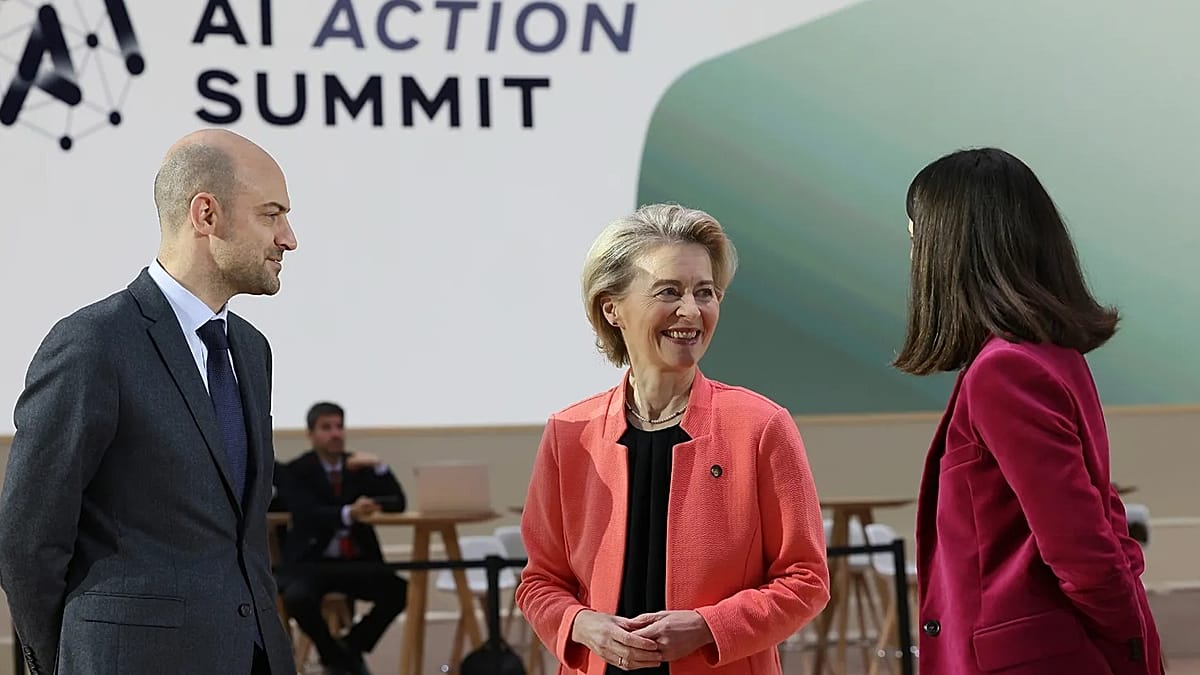
“We cannot have any impunity for the crimes that have been committed,” said French Foreign Minister Jean-Noël Barrot, urging Tehran to release the political prisoners, put an end to executions and re-establish access to the Internet.
Barrot also requested that the Iranian authorities permit two French nationals to leave the country. Cécile Kohler and Jacques Paris, who spent more than three years imprisoned in Iran, are in conditional liberty at the French embassy in Tehran.
The IRGC stands accused of orchestrating Iran’s violent repression of protests, supplying weapons to Russia, launching ballistic missiles at Israel, and maintaining close ties with armed allies such as Hezbollah, Hamas and Yemen’s Houthis.
The United States, Canada and Australia have already designated the IRGC as a terrorist organisation. Germany and the Netherlands have repeatedly urged the bloc to follow suit.
As of today, the EU’s terrorist list, which is periodically renewed, covers 22 groups, such as Hamas, Hezbollah’s Military Wing and the Kurdistan Workers’ Party.
“I think it’s important that we send the signal that the bloodshed that we’ve seen, the bestiality that has been used against protesters cannot be tolerated,” Dutch Foreign Minister David van Wee told reporters.
His Finnish counterpart, Elina Valtonen, said: “What has happened, especially in the first week of this year, in Iran is beyond words.”
Earlier this week, Italy, which was originally reluctant, shifted towards approval after new data highlighted the scale of Iran’s brutal repression of the recent demonstrations.
According to the Human Rights Activists News Agency, which verifies each death through a network of activists inside Iran, more than 6,100 people have been killed since the unrest began in late December, including 92 children.
Other reports say the death toll could be significantly higher.
Time magazine has cited two senior Iranian health ministry officials saying at least 30,000 people had been killed in street clashes, which began in late December in response to the economic crisis and quickly turned into a contestation of the regime.
Diplomatic pressure
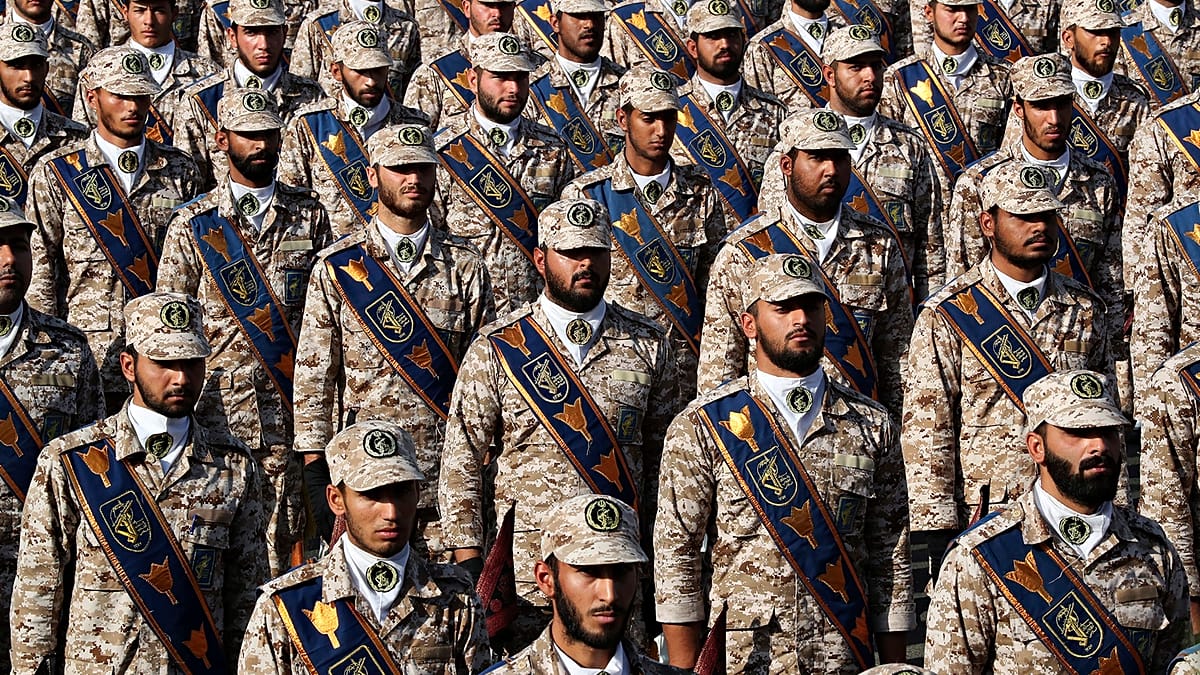
Established in 1979 after the Iranian Revolution, the IRGC is a military branch entrusted with ensuring the survival of the Islamic Republic and thwarting any signs of rebellion. The corps has vastly expanded its powers over time and now controls aspects of politics, economy and society in Iran, effectively becoming a “state within a state”.
The IRGC is estimated to operate between 125,00 and 190,000 troops, with army, navy and air units, under the ultimate command of Supreme Leader Ali Khamenei.
Asked if the blacklisting could imperil diplomatic contacts between Europe and Iran, Kallas said that “these risks have been calculated”.
“The interactions with the Foreign Minister are not under this (listing),” Kallas said upon arrival. “The estimate is that the diplomatic channels will remain open.”
Dutch Foreign Minister David van Weel said that if Tehran chose to cut off diplomatic channels in retaliation, that would be in “their worst interest”.
“I’m not necessarily worried there. I think Iran needs to do the talking now,” he said.
Foreign ministers also agreed on Thursday to impose sanctions on 21 individuals and entities accused of human rights violations in Iran, as well as on 10 additional figures linked to Tehran’s support for Russia’s war on Ukraine.
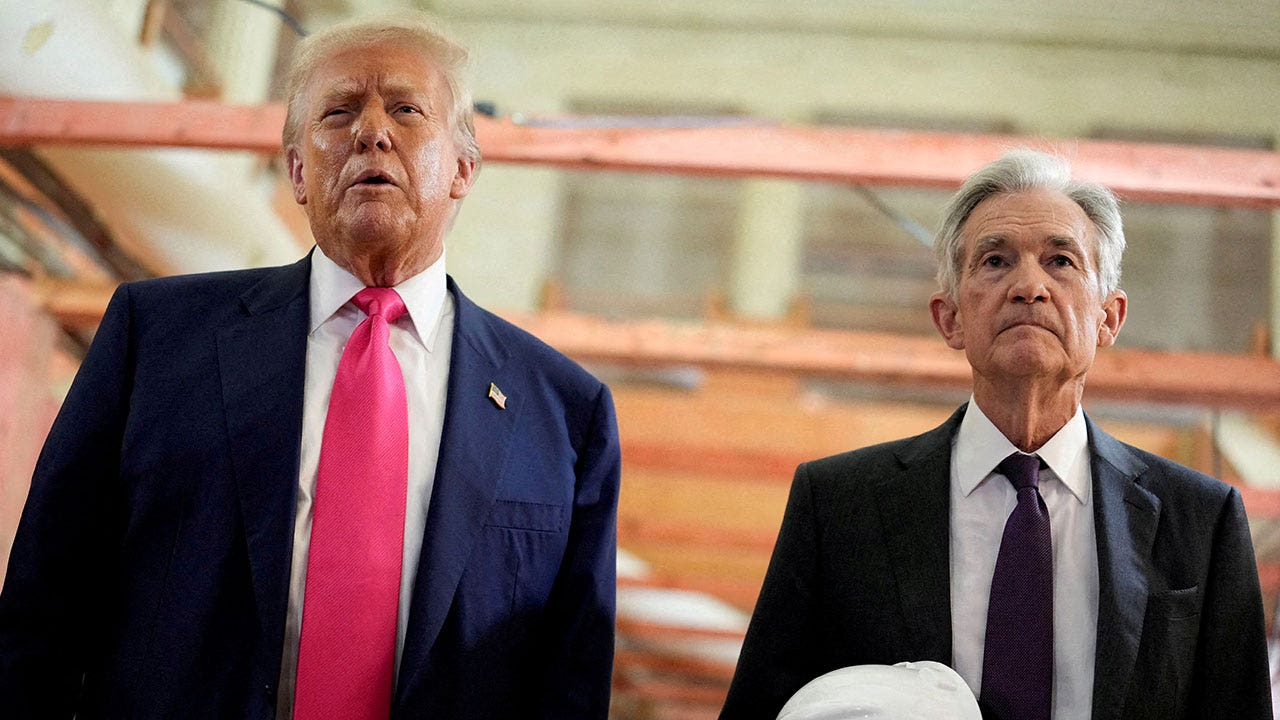
The EU decisions come as US President Donald Trump ramps up the pressure on the Iranian regime, deploying the USS Abraham Lincoln and several guided missile destroyers into the region, which can be used to launch attacks from the sea.
“Hopefully Iran will quickly ‘come to the table’ and negotiate a fair and equitable deal – no nuclear weapons – one that is good for all parties,” Trump said.
Iran’s mission to the United Nations said it is ready to retaliate against a potential attack.
Read the full article here