







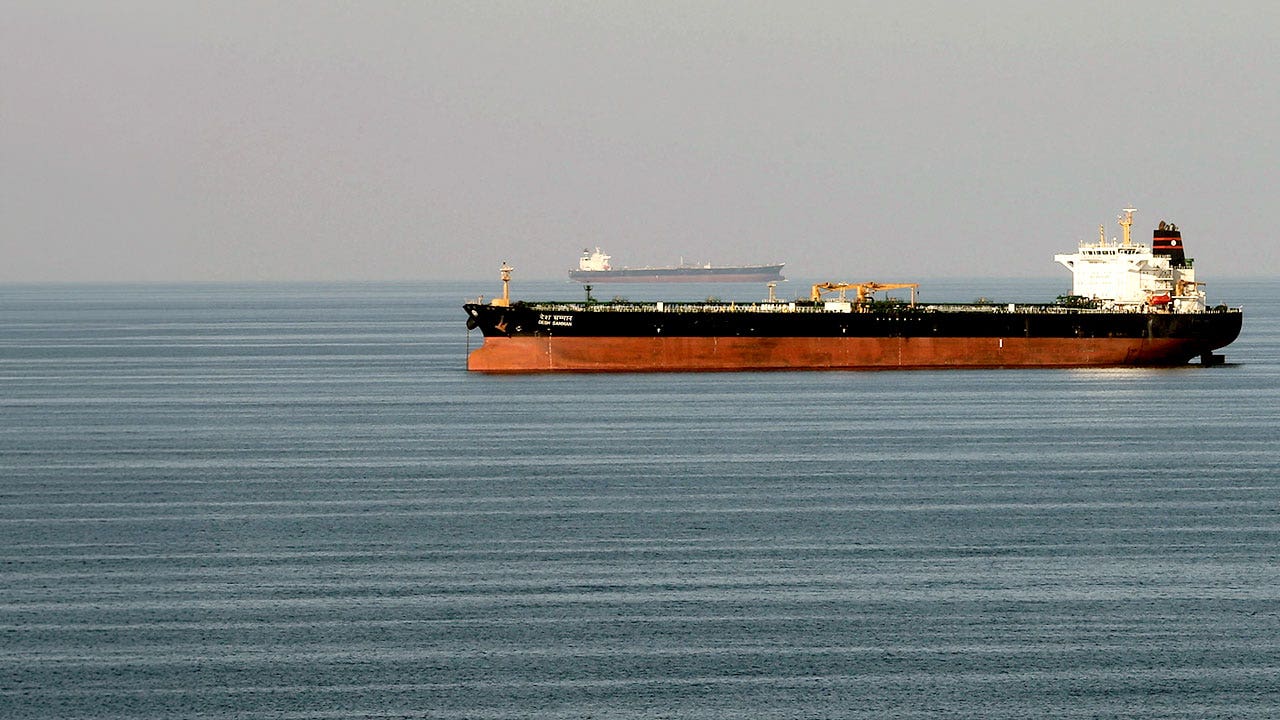
A new investigation by Congress detailed how China is buying sanctioned oil from rogue regimes around the world at a discount.
The House Select Committee on China released its report on how China is evading sanctions to purchase tens of millions of barrels of oil from countries like Iran, Russia and Venezuela that are the subject of U.S. sanctions – using a “shadow fleet” of tankers to transport sanctioned oil.
It found that sanctioned oil accounted for one-fifth of China’s total oil imports as the country became the buyer of last resort for those rogue regimes, which allowed it to stockpile a large strategic reserve of oil while buying at below market rates.
Selling oil is a key component of the economies of Iran, Russia and Venezuela, as the report noted that energy exports yielded roughly $120 billion in revenue for Russia in 2024, about 30% of its total revenue; while Iran’s oil revenue is projected at more than $50 billion in 2025, which represents about 35% of its budget. Similarly, crude oil sales were Venezuela’s main source of hard currency.
CHINA-RUSSIA’S COOPERATION HANDS THE US A ‘GRIEVOUS LOSS’ AS IRAN CONFLICT ESCALATES, EXPERT WARNS
“From this sanctioned crude, China assembled a massive strategic petroleum reserve – roughly 1.2 billion barrels by early 2026, equal to approximately 109 days of seaborne import cover – at well below market cost from the very barrels Western sanctions were designed to strand,” the committee wrote.
The select committee said that China relies on foreign suppliers for about 70% of its oil, much of which is delivered by sea routes that could be blockaded by U.S. and allied naval forces during a crisis, such as one stemming from a Taiwan contingency. That vulnerability prompted Chinese leaders to declare energy security an “urgent requirement in great-power competition” and build its massive reserve.
The report detailed how China uses a shadow fleet of tankers, which are generally older tankers that operate through opaque ownership structures under foreign flags with non-Western insurance that allow them to avoid complying with Western maritime laws.
MULTIPLE CHINESE VESSELS RETREAT AT STRAIT OF HORMUZ AFTER IRAN WARNINGS IN RARE ALLY MOVE

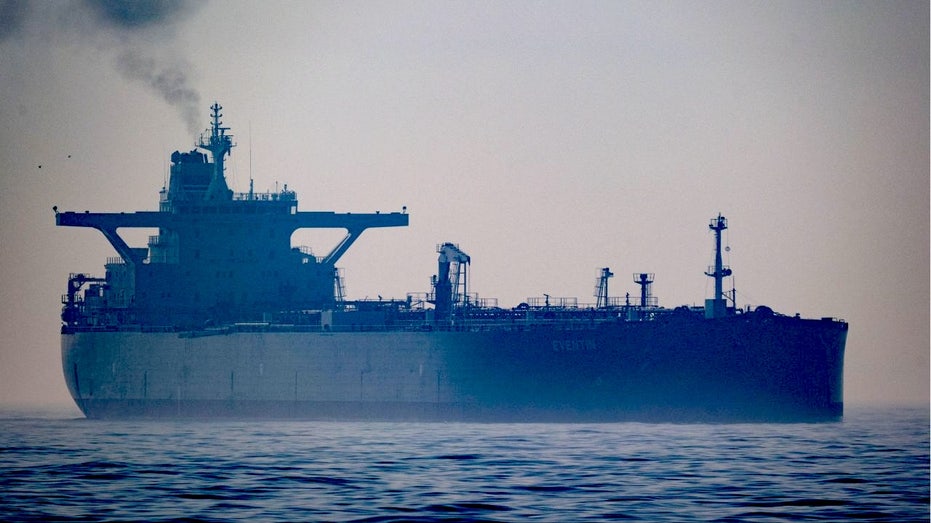
The panel cited data from commodity data and analytics firm Kpler, which tracks vessel movements and trade patterns using satellite imagery, that found shadow fleet and sanctioned tankers moved about 10.3 million barrels of crude oil per day last year, with about one-third going to China.
Additionally, it moved 2.2 million barrels per day of heavy refined products like fuel oil and crude residuals, with China receiving about 10.3%; while China also received about 45.8% of the shadow fleet’s chemical and biological cargo.
“China is the buyer of oil from desperate, rogue regimes through illicit, hard-to-track channels involving shell companies, Chinese refineries, and a shadow fleet of oil tankers,” said Select Committee on China Chairman John Moolenaar, R-Mich.
“This investigation brings to light key information on how the Chinese Communist Party keeps the economies of Iran and Russia afloat while fueling its own authoritarian agenda.”
US WEIGHS ASKING CHINA TO CURB RUSSIAN, IRANIAN OIL PURCHASES
China’s oil sources have been under pressure following U.S. action to detain Venezuelan leader Nicolás Maduro and enforcement activities targeting Venezuelan oil, as well as the war in Iran, which has slowed the flow of oil tankers through the Strait of Hormuz.
Before the war, China imported 3.4 million barrels per day of oil from Gulf producers via the Strait. While Iran’s shadow fleet continues to make deliveries at near pre-war levels, shipments from other countries in the region have slowed to a halt, prompting China to ban fuel exports and raise retail prices to mitigate the impact of the oil disruption.
The committee’s investigation led to several policy recommendations for lawmakers to consider as they look to counter the flow of sanctioned oil that benefits rogue regimes.
Those suggestions include authorizing sanctions on ports, terminal operators and similar that receive cargo transported by shadow fleet vessels and establishing a whistleblower reward program for reporting sanctions evasion – particularly in transshipment hubs like Singapore, Hong Kong, Malaysia and Dubai.
They also include having financial regulators probe potential commodity market manipulation and transactions by entities involved in systematically purchasing and routing steeply discounted Russian crude by foreign refiners.
The panel also called for creating a contingency framework with major oil producers like Saudi Arabia, the UAE and Iraq to expand supply, as sustained lower prices would reduce the discount available on sanctioned crude oil from Iran and Russia.