









Published on
Estonia, Greece, Italy, Latvia, Lithuania, Poland, Slovakia and Finland on Monday had their national investment plans under the EU’s new €150 billion loan for defence scheme approved by the European Commission.
These eight countries had asked for a total of €74 billion in funding – around half the total amount the Commission plans to raise on the market to finance its Security Action for Europe (SAFE) programme – with Poland accounting for €43.7 billion alone.
This is the second round of approval after eight other countries – Belgium, Bulgaria, Denmark, Spain, Croatia, Cyprus, Portugal and Romania – had their plans worth a combined €38 billion approved on 15 January.
“With this second batch of SAFE investments, Europe is finally backing its security ambitions with the necessary financial weight,” Defence Commissioner Andrius Kubilius said in a statement. “We are no longer just drafting strategies; we are building a hard-power reality.”
“This is a clear signal to European industry and our adversaries alike: Europe is serious about its strength and sovereignty, our militaries need the best and on time.”
Preparing for conflict
Nineteen member states in total have already applied to tap into SAFE, with funding allocations provisionally agreed last September. The national investment plans of Czechia, France, and Hungary are still pending.
SAFE, which is part of the Commission’s Readiness 2030 plan to unleash up to €800 billion into defence before the end of the decade, is meant to boost the procurement of priority defence products.
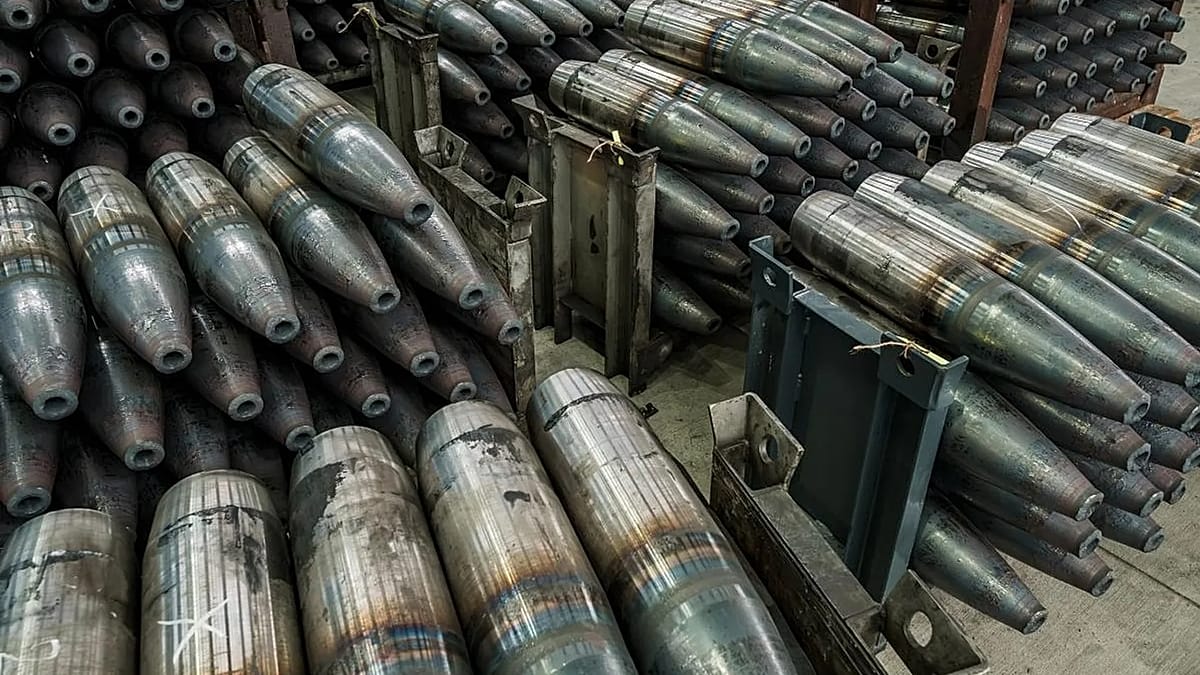
These include ammunition and missiles, artillery systems, drones and anti-drone systems as well as air and missile defence systems, critical infrastructure protection, space asset protection, cybersecurity, AI technology and electronic warfare systems.
Another important criterion of the scheme is that the equipment purchased must be European-made, with no more than 35% of component costs originating from outside the EU, EEA-EFTA, or Ukraine. Canada, which has secured a bilateral agreement with the bloc, will also be able to participate to the same level as those countries.
The scheme is advantageous to member states whose credit rating is not as good as the Commission’s, meaning they will secure better rates. Germany, for instance, did not ask for any SAFE funds.
EU ministers now have four weeks to approve the plans, with first payments expected in March 2026.
Von der Leyen said late last year that the popularity of the scheme among member states – it was oversubscribed, with the 19 participating countries initially asking for more than €150 billion – could see it expanded further.
Read the full article here