












A deadly and historic winter storm that has impacted a 2,300-mile swath of the country with snow, ice and power outages has prompted moves to ramp up power production from coal, while putting it and other fossil fuels in the spotlight as reliable energy sources amid the fierce weather.
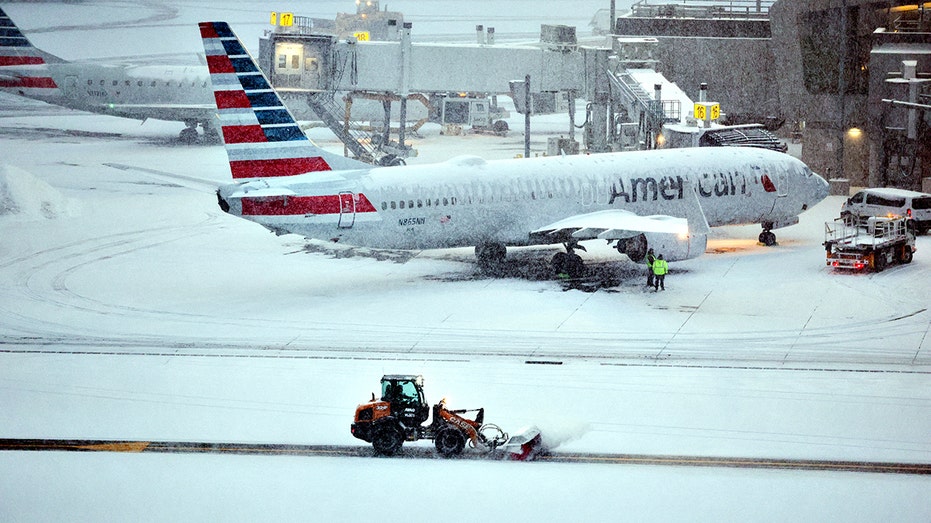
Winter Storm Fern caused life-threatening power outages across many parts of the South, while the Northeast was hit with heavy snow. Other areas have faced ice and freezing temperatures.
The inclement weather caused over 800,000 power outages in the South as ice accumulations from freezing rain toppled trees and knocked out power lines. As of Monday afternoon, power outage tracking website PowerOutage.us showed over 229,000 outages in Tennessee, more than 152,000 in Mississippi, nearly 114,000 in Louisiana and over 45,000 in Texas – while Kentucky, South Carolina, Georgia and Virginia all had between 15,000 and 36,000 outages.
Energy Secretary Chris Wright issued emergency orders to allow energy operators in the power grid regions of the Mid-Atlantic, New England and Texas to run their power-generating resources as needed to ensure grid stability regardless of environmental permits or state law.
DEADLY HISTORIC WINTER STORM: ICE LEAVES LIFE-THREATENING POWER OUTAGES ACROSS SOUTH, SNOW BURIES NORTHEAST
“As Winter Storm Fern brings extreme cold and dangerous conditions across the country, maintaining affordable, reliable, and secure power is non-negotiable,” Wright said in making the announcement.
Wright also issued an order to Texas grid operator ERCOT to leverage power from backup generators at data centers and other industrial sites to ease the strain on the rest of the grid.
“The previous administration’s energy subtraction policies weakened the grid, leaving Americans more vulnerable during events like Winter Storm Fern,” Wright said. “Thanks to President Trump’s leadership, we are reversing those failures and using every available tool to keep the lights on and Americans safe through this storm.”
MORE THAN 1 MILLION AMERICANS LOSE POWER AS MONSTER WINTER STORM SWEEPS ACROSS THE US

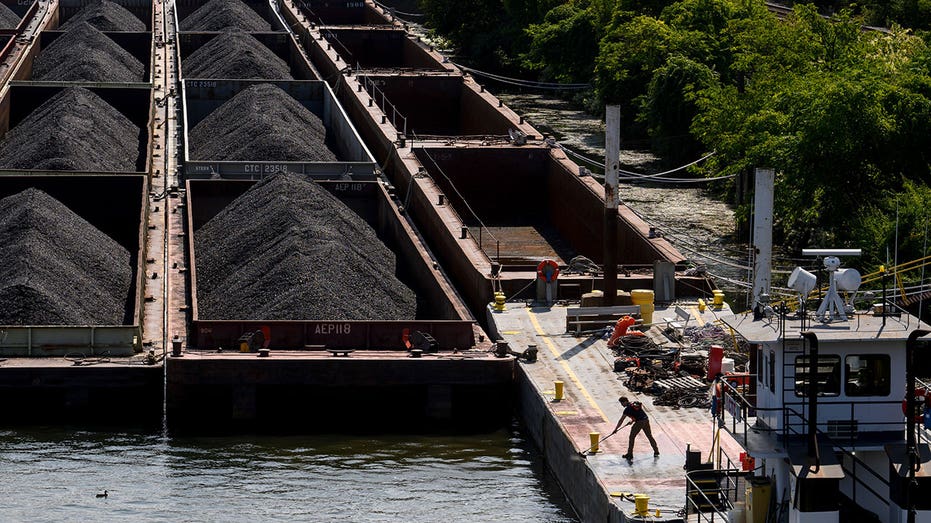
Efforts in recent decades to reduce reliance on fossil fuels like coal as well as cleaner-burning natural gas in favor of renewable energy sources like wind and solar. The severe winter storm has shown the important role that coal and natural gas can play in supporting the energy grid by providing stable baseload power when wind and solar sources aren’t generating enough power.
The PJM Interconnection, the largest power grid operator in the U.S. that serves parts of the Mid-Atlantic and Midwest regions, was supplying power produced from gas (41%), nuclear (27%) and coal (24%) on Monday – while renewable energy sources like wind and solar were supplying less than 5% each.
MASSIVE WINTER STORM STRAINS US POWER GRID AS OPERATORS SCRAMBLE TO AVOID BLACKOUTS
A report published in November by the North American Electric Reliability Corporation assessed the reliability of the electric grid ahead of the 2025-2026 winter and noted that coal plays a key role in supporting the grid during winter storms.
“[Bulk power system] stakeholders across North America note multiple fuel-related issues that are being monitored entering the winter season,” NERC wrote.
“For example, while coal represents a waning share of the overall resource mix, it continues to play an important role in meeting demand during extreme weather events, and oil inventories at dual-fuel gas-oil generators lessen risks related to natural gas deliverability in infrastructure-constrained regions, especially during the winter.”
“Notably, it is infeasible or prohibitively costly to stockpile natural gas locally at power plants, and this exposes the BPS to the risk profile of the constituent systems that comprise the supply and delivery of this just-in-time fuel,” it continued.


