









Energy dependence became Europe’s urgent problem in 2022. And yet, the EU continues to lean on imported fossil fuels.
ADVERTISEMENT


ADVERTISEMENT
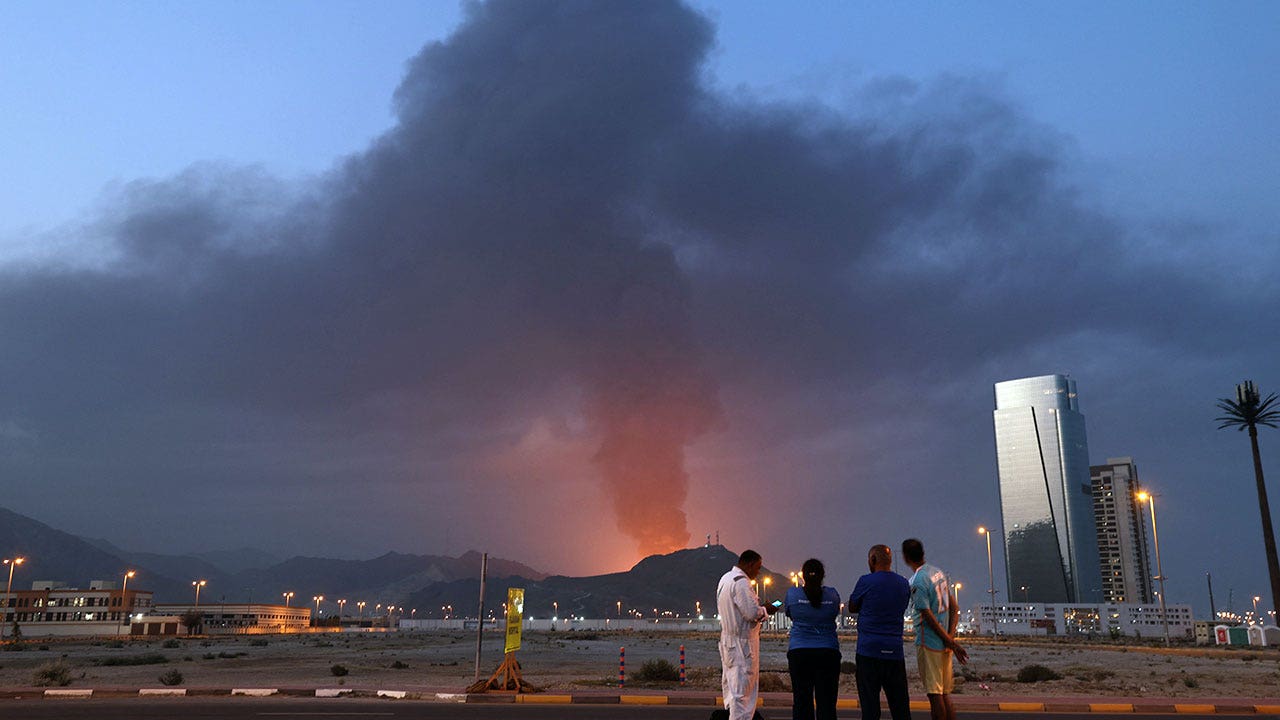
To reduce Russian influence, Europe has shifted to liquid natural gas (LNG), with 10-15% of its supply now passing through the Strait of Hormuz.
Recent attacks in the Gulf have slowed shipping through the strait, intensifying the impact on Europe. Scarcity is increasing demand for oil and gas, driving up electricity and fuel prices.
Europe’s efforts to reduce energy dependence have not matched its capabilities. According to MEP and Volt co-founder Damian Boeselager, a decade-long “reactive stance” is responsible.
2026 is expected to be a turning point. The Grids Package and the Citizens Energy Package aim to establish a single European energy market with cross-border infrastructure to ensure more secure and accessible energy.
How ready is Europe today?
Under REPowerEU, the EU decisively expanded member states’ gas storage capacity to at least 90% every year, boosting energy security from 2022 onward.
Renewables hit 25.2% of the EU’s overall energy consumption in 2025, increasing the bloc’s domestic energy production while reducing Russian gas imports from 45% in 2022 to 13% by 2025.
EU diversification of fossil fuel supply was decisive. In 2021, Russian gas accounted for 45% of imports, oil for 27%, and coal for 50%. Latest data show that in Q3-2025, 60% of EU LNG came from the US, 70% of coal came from Australia and the US, and Norway, the US, and Kazakhstan supplied 42% of the bloc’s petroleum needs.
Domestic production covers only 10% of the EU’s gas needs. The EU moved decisively to phase out Russian fossil fuels, driving LNG’s share in gas imports from 20% in 2021 to 45% in 2025.
Because 10–15% of LNG runs through the Hormuz Strait, Europe’s reduced reliance on Russian pipelines has effectively shifted its dependency to LNG transported through this region.
Even with stronger preparation than in 2022, Europe remains exposed. Iran’s new supreme leader, Mojtaba Khamenei, vows to keep blocking the strait, making Europe’s LNG routes its new vulnerability.
The scale of European dependency
The EU spent €396 billion on fossil fuel imports in 2025, a reminder that nearly six decades of energy dependency will not unwind quietly or quickly.
The Union imports 57% of its total energy needs. Oil dominates at 37%, followed by gas at 21% and coal at 12%. The US (16%), Norway (12%), and Kazakhstan (9%) lead oil supply, while Norway covers 30% of pipeline gas, with Russia, despite sweeping sanctions, still accounting for 14% of natural gas imports.
Not all countries are affected equally. Malta imports 98% of its energy, Cyprus 88%, and Luxembourg 91%. For France, the situation is different, with its nuclear power keeping imports at 52%, making it an exception in a region where most countries rely heavily on imports.
REPowerEU has shifted suppliers but has not addressed the core issue. US LNG is replacing Russian gas and may account for 40% of EU gas imports by 2030, creating a new geopolitical risk.
In 2025, renewables surpassed fossil fuels in EU electricity generation, reaching 23% of final energy consumption. This is progress, but the grid is only part of the picture. Heating, transport, and industry keep the import bill in the hundreds of billions.
The EU’s answer: rewiring Europe
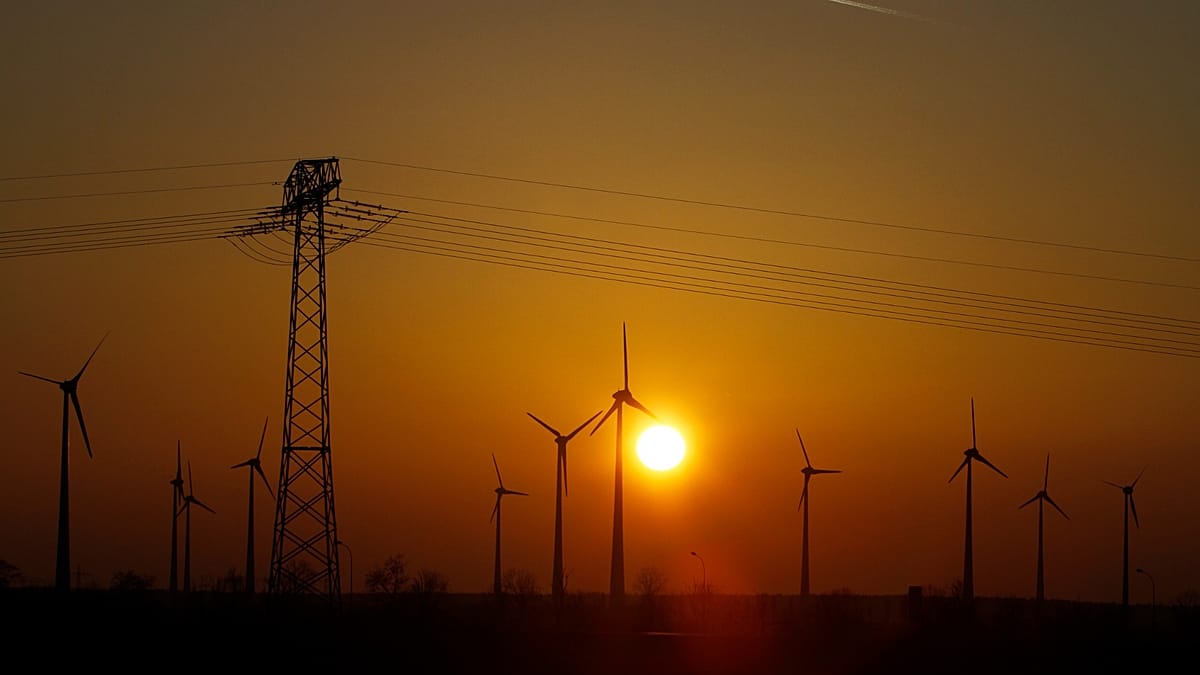
Europe’s energy vulnerability now has a legislative answer and a €1.2 trillion bill: the EU Grids Package. Launched by the European Commission in December 2025, it is Brussels’ most ambitious attempt to overhaul the bloc’s electricity system, the network of wires, substations, and technologies delivering power across EU countries. The aim is clear: build faster, connect deeper, and end dependence on imported fuel, exposed by repeated geopolitical shocks.
The package rewrites rules for planning, permitting, investment, and cross-border coordination, amending four key EU laws, including the Renewable Energy Directive and Electricity Market Design. Energy Commissioner Dan Jørgensen and Executive Vice President Teresa Ribera have staked major political capital on it as a pillar of European strategic autonomy.
The main debate focuses on project timelines. Solar and storage projects under 100 kilowatts will only need a grid connection permit. Larger grid projects must be authorised within two years, with automatic approval if authorities miss the deadline. Major cross-border Projects of Common Interest have a strict 42-month limit for all permitting phases.
Industry groups, like Eurelectric, support the reforms but oppose mandatory benefit-sharing for projects above 10 megawatts. These projects require developers to share economic gains with local stakeholders. Environmental NGOs have raised concerns that granting qualifying projects “overriding public interest” status could reduce the emphasis on biodiversity assessments and lead to legal challenges.
National governments remain divided. Germany and Denmark support EU-wide coordination but don’t want central planning that would override national strategies. Poland and Romania want more flexible timelines due to administrative gaps, while disagreements over cost-sharing remain a point of contention.
Europe’s fragmented grid cannot transmit North Sea wind or Iberian solar power across borders, which weakens energy resilience. The package’s “Energy Highways” initiative will build high-capacity corridors to address this issue. To reduce supply chain risks, the package sets a target of 40% of transformers and cables being EU-made by 2030 and introduces new supplier screening rules.
Brussels calls this the backbone of European independence. Delivering it is the real test.
Reserves, price caps, and emergency meetings
The numbers move fast. Dutch TTF gas futures jumped 60% since the strikes on Iran. Oil surged past $100 a barrel. EU gas storage, which should be filling ahead of winter, sits at just 30%, down from 39% a year ago. Goldman Sachs has warned that a one-month Hormuz closure could push gas prices to €73 per MWh.
Brussels responded. The Commission convened emergency meetings of its gas and oil coordination groups. Finance ministers gathered under the French presidency of Roland Lescure to discuss the release of strategic reserves. The IEA approved a release of 400 million barrels, the largest in its history, backed by 32 nations including Germany and Austria.
But the pace of deeper fixes is where the criticism lands. Commission President von der Leyen floated the idea of capping or subsidising gas prices ahead of the March 19-20 summit, while drawing a hard line against returning to Russian energy, a “strategic blunder,” she called it.
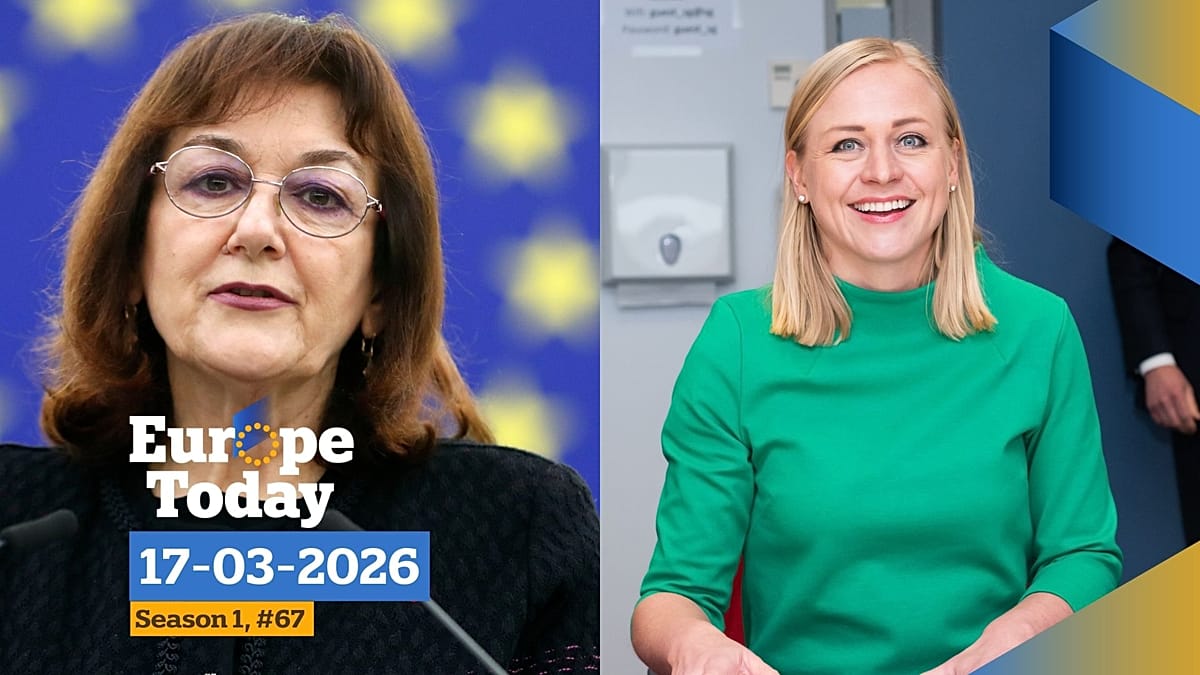
Economy Commissioner Dombrovskis, speaking on Euronews’ morning show Europe Today, welcomed the IEA action but warned of a “stagflation shock” if the conflict drags on. Energy Commissioner Jørgensen pushed back against calls to scrap carbon pricing, insisting renewables and infrastructure are the only durable answer.
Germany said reserves releases were on the table, but “not yet.” The G7 kept coordinated stockpile action as an option without activating it. A proposed gas price cap, reviving a 2022 mechanism that was never triggered, faces resistance from Berlin and The Hague.
Boeselager is direct about the economic consequences of prolonged disruption. The oil price shock is already feeding through into Eurozone inflation, and the policy toolkit to respond is limited.
“The increase from $70 per barrel to $120 or so has a huge impact on inflation within the Eurozone, you have rising prices and rising interest rates, which will harm European people and European companies quite massively.”
Spain’s finance minister, Carlos Cuerpo, was clear: Europe needs faster grid integration and cross-border market reform now. The Grids Package and internal energy market won’t be fully in place until 2028.
The EU is better prepared than in 2022. But with prices climbing and structural legislation unfinished, the gap between coordination and action remains wide. For Boeselager, the current crisis should finally reframe the energy transition not as an environmental burden, but as an economic and sovereignty imperative.
“The transition is always seen as something very costly, but now we see that not transitioning is actually more costly,” Boeselager told Euronews.
Read the full article here