








Published on
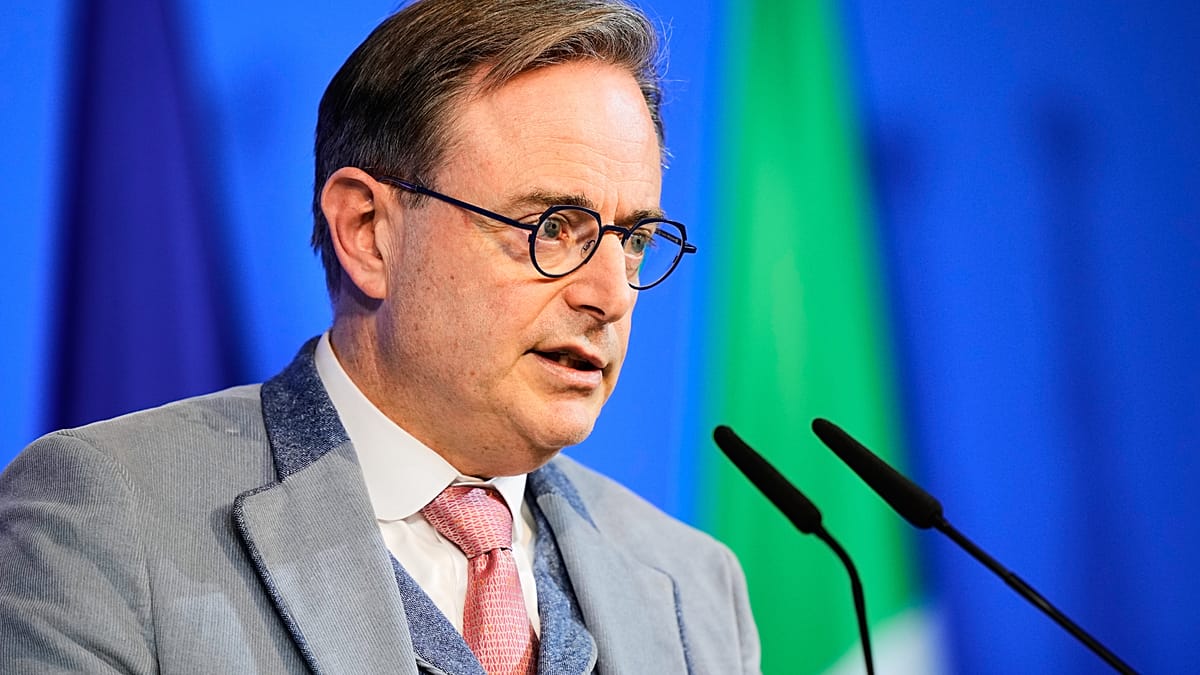
Belgian Prime Minister Bart De Wever has called on Europe to reach a deal with Russia to end the war in Ukraine, in an interview published in the Belgian newspaper L’Echo.
ADVERTISEMENT


ADVERTISEMENT
De Wever argued that a negotiated settlement is also necessary to restore access to cheap energy.
The European Union remains divided on the issue. French President Emmanuel Macron, Italian Prime Minister Giorgia Meloni and Hungarian Prime Minister Viktor Orbán have called for direct talks with Moscow, while Poland and the three Baltic states are firmly opposed.
“In private, European leaders agree with me, but no one dares to say it out loud. We must end the conflict in the interest of Europe, without being naïve towards Putin,” De Wever said.
He added that Europe must not repeat past mistakes in its relationship with Russia, stressing the need to rearm and deploy troops to its eastern borders.
“At the same time, we must normalise relations with Russia and regain access to cheap energy. That is common sense,” De Wever said.
The Prime Minister argued that Europe’s dual strategy of supporting Ukraine militarily and squeezing Russia’s economy has become untenable without the backing of the United States.
“Given that we are unable to pressure Putin by sending weapons to Ukraine, and cannot suffocate his economy without US support, only one method remains: making a deal,” he said.
De Wever also said his government has no plans to introduce state subsidies to offset rising energy prices linked to the war in the Middle East.
“I am not going to panic and throw billions out the window, as the previous government did,” he said.
The EU has been working to reduce its dependence on Russian energy imports since the start of the full-scale invasion of Ukraine in 2022. It has set out plans for a complete ban on Russian fossil fuel imports next year.
Hungary and Slovakia continue to resist those measures, arguing that Russian energy supplies are essential to their energy security.
Earlier this week, several European leaders criticised President Donald Trump’s decision to lift sanctions on Russian oil at sea, a move aimed at price tensions in global energy markets as a result of the war in Iran.
The US granted countries a temporary permit to purchase Russian oil currently stranded at sea this week.
German Chancellor Friedrich Merz and European Council President António Costa condemned the move, warning it could have a negative impact on European security.
Read the full article here