










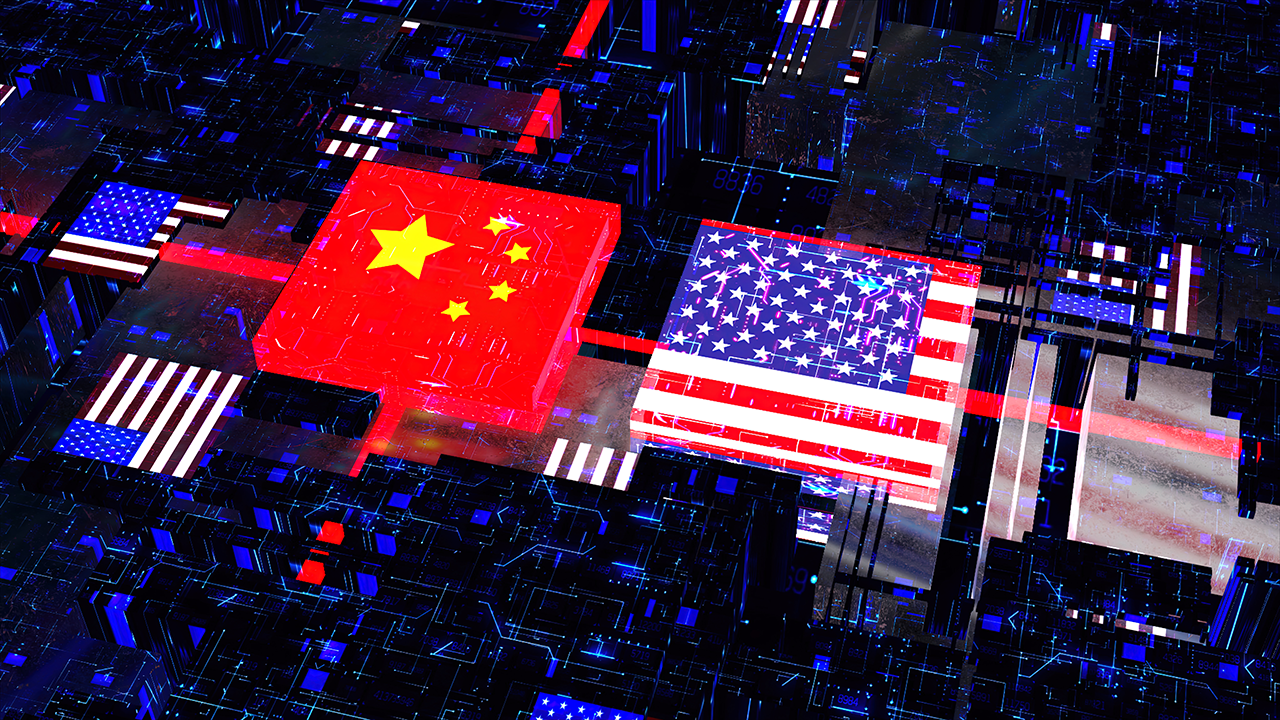
What was once an American-led innovation race has become a high-stakes competition over economic power, national security and technological leadership.
FOX Business’ Madison Alworth joined Maria Bartiromo on “Mornings with Maria” to report on how America’s lead in artificial intelligence (AI) is being tested as China accelerates its effort to become a global tech powerhouse.
Artificial intelligence is no longer just powering search engines and chat tools like ChatGPT. It is reshaping how companies produce goods, analyze markets, secure networks, and move capital. The country that builds the most advanced AI systems will hold a powerful advantage in productivity and global influence, making this rivalry far more consequential than previous technology races.
FORMER INTEL CEO WARNS US CHIP COMEBACK STILL HAS LONG WAY TO GO
U.S. companies still dominate global AI development, fueled by robust private‑sector investment in chips, cloud computing, and advanced software. That market-driven system helps American firms stay agile and continue pushing innovation ahead of rivals.
China, however, is narrowing the gap. Beijing has made artificial intelligence a national priority, aiming to cut its reliance on Western technology.
Industry leaders say the race remains far from settled.
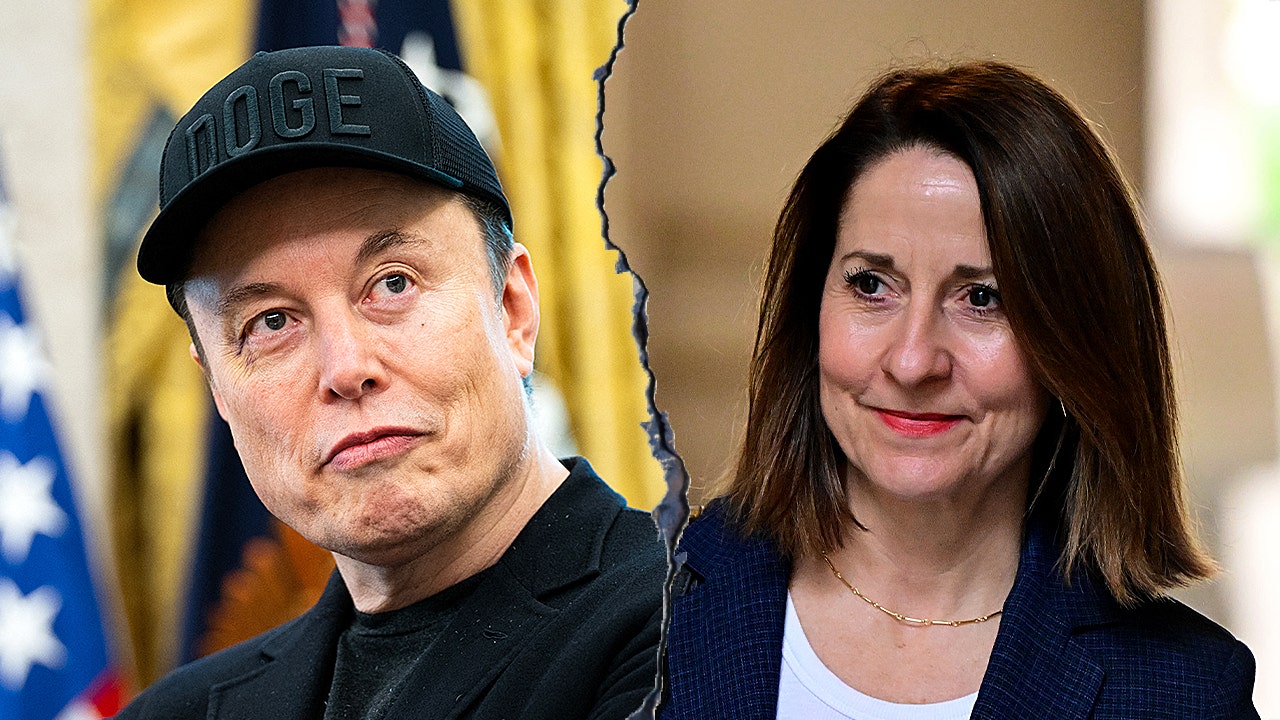
“I expect xAI to continue to be a very strong player. They’re making significant investments in the area of logic and reasoning,” Vercel CEO Guillermo Rauch said. “I expect them to continue making incredible progress and I would never rule out Elon [Musk] as one of the top players in this space.”
META’S MASSIVE NUCLEAR POWER DEALS WILL HELP US ‘WIN’ AI RACE AGAINST CHINA, EXECUTIVE SAYS
Major U.S. tech firms are building out large-scale infrastructure to support next-generation AI. Meta Chief Global Affairs Officer Joel Kaplan told FOX Business, “These data centers create thousands of new jobs… it’s a great contribution to the economy, and it’s really going to help this country win the AI race.”
Google CEO Sundar Pichai told “Fox News Sunday” that the U.S. must “get the balance right” on AI regulation or risk falling behind China. He warned that more than a thousand AI-related bills circulating in state legislatures could create a confusing web of rules “that make it harder for U.S. companies to compete globally.”
Pichai called for a coordinated national approach, saying both governments and private firms must work together “to create standards and frameworks by which we all use technology in a cooperative way.”
The competition extends beyond software development. Technology and economic analysts say artificial intelligence is likely to influence where jobs are created, how companies operate and which nations gain an edge in the digital economy.
As the U.S. and China pour billions into artificial intelligence, both nations are racing to secure long-term economic and strategic advantages in a technology that’s reshaping the global economy.