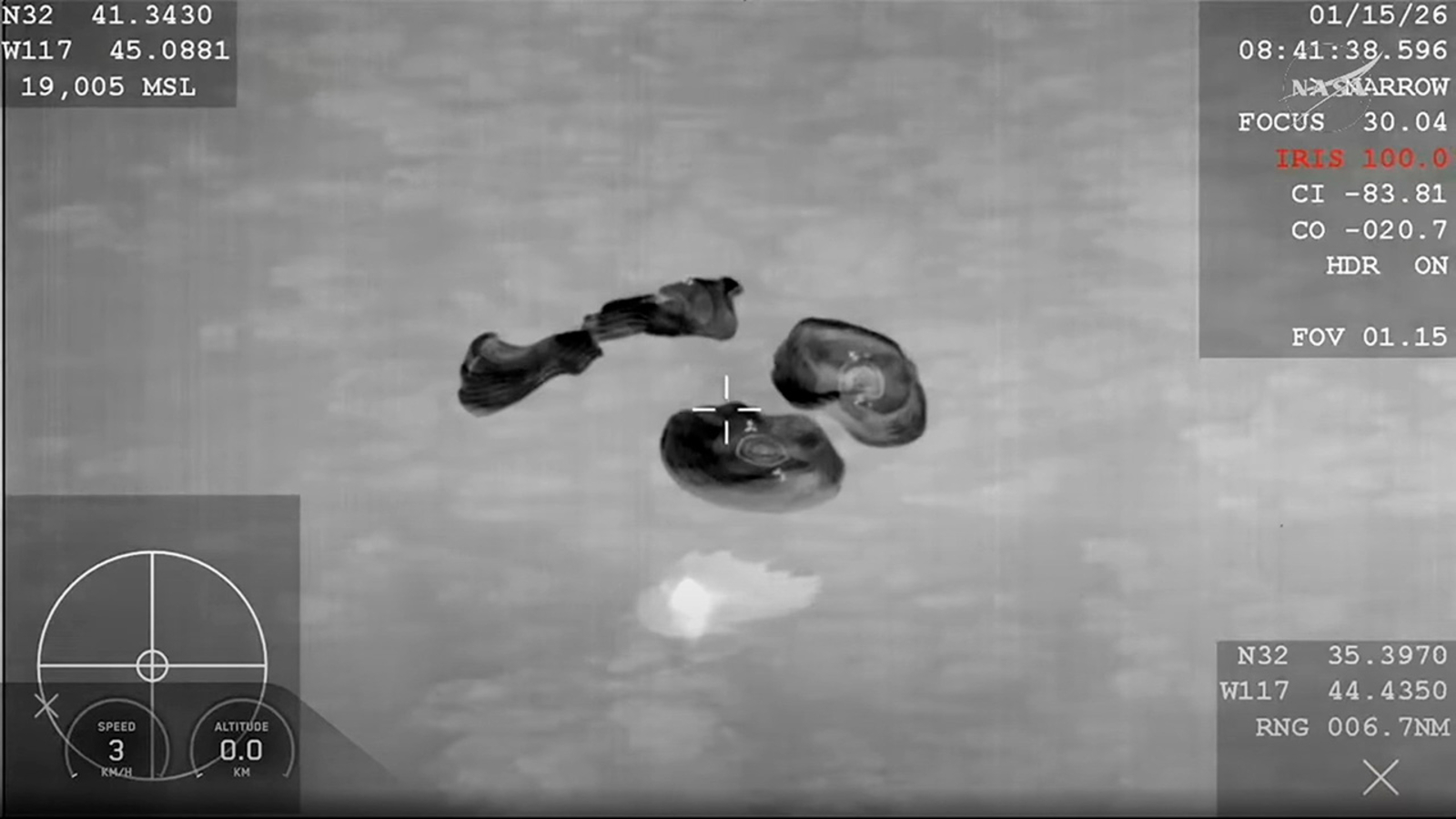

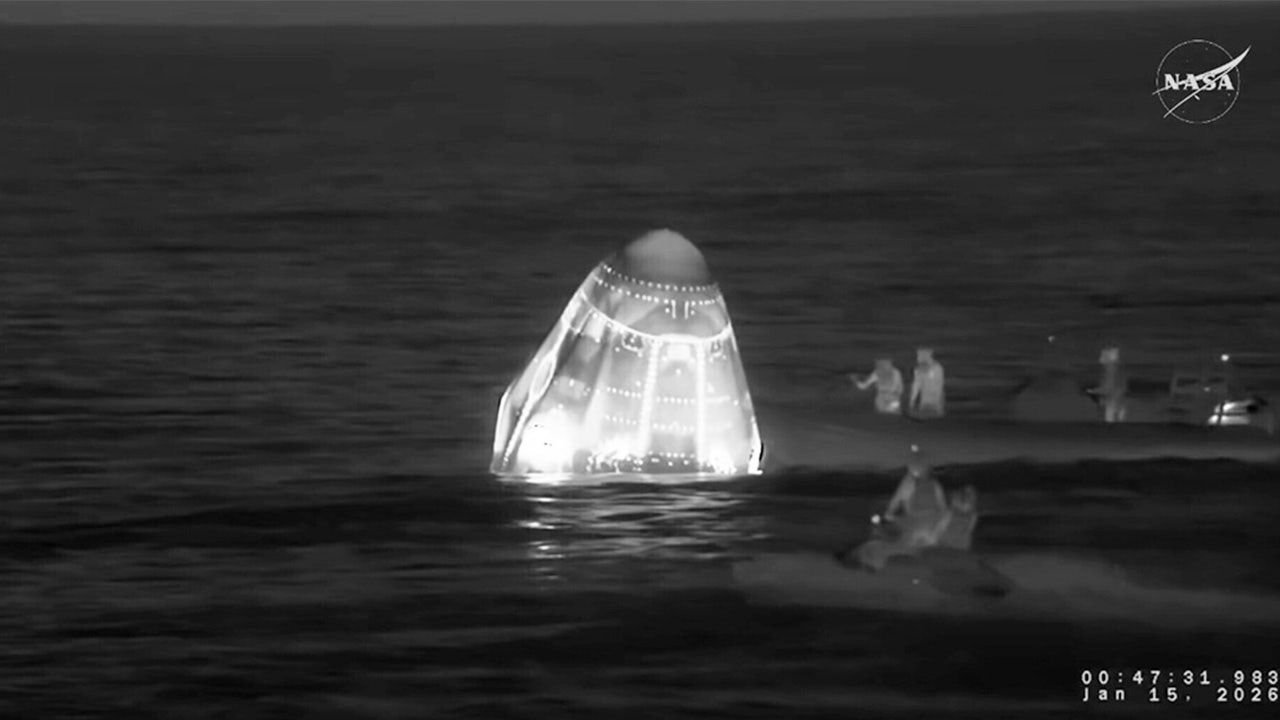







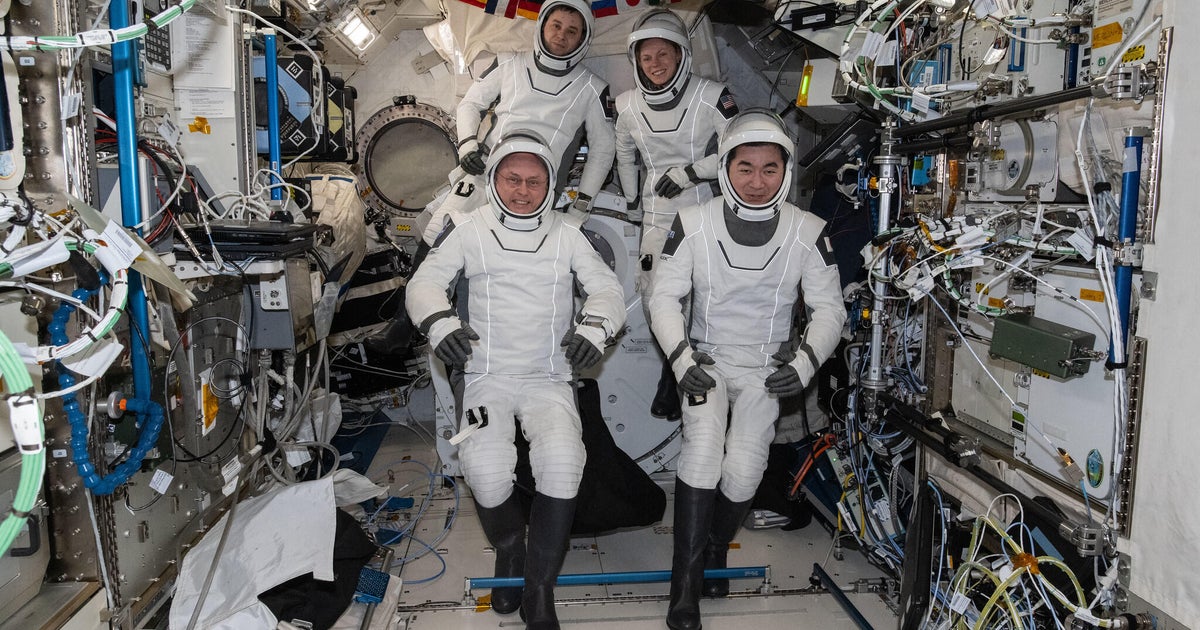
Four space station fliers undocked and plunged back to Earth Thursday, safely splashing down in the Pacific Ocean off the California coast six days after NASA ordered them home early because of a medical issue.
Descending under four large parachutes, Crew 11 commander Zena Cardman, co-pilot Mike Fincke, Japanese astronaut Kimiya Yui and Russian cosmonaut Oleg Platonov landed in the Pacific off San Diego at 3:41 a.m. EST, closing out a 167-day stay in space.
“To my Expedition 74 crewmates, both here with me in Dragon and those on ISS, I know the space station is in good hands,” Cardman radioed before undocking. “It’s been an absolute privilege to take part in this endeavor.”
SpaceX support crews stationed near the landing site quickly headed for the spacecraft to haul it aboard a company recovery ship where NASA flight surgeons were standing by to carry out initial medical checks.
Under strict medical privacy guidelines, NASA has not identified the astronaut who had the medical issue in orbit or provided any details as to its nature.
All four were expected to be flown to shore by helicopter before a flight back to the Johnson Space Center in Houston. Whether NASA planned a more complete medical evaluation in California before the trip home was not immediately known.
Left behind in orbit were Sergey Kud-Sverchkov, who took over command of the space station from Fincke, and the cosmonauts two Soyuz MS-28 crewmates, Sergey Mikaev and NASA astronaut Chris Williams. They were launched last November for a planned eight-month stay in space.
Cardman and her crewmates, who launched to space on Aug. 1, 2025, were originally expected to return to Earth around Feb. 20 to wrap up a 202-day mission.
NASA
In a long post on LinkedIn, Fincke said the crew was in good shape, but he added the decision was “the right call.” All four astronauts looked to be in good spirits during a change of command ceremony Monday when Fincke officially turned the space station over to cosmonaut Kud-Sverchkov.
In a post Wednesday on X, Yui sent down pictures of snow-capped Mount Fuji, with the caption: “Hello! The day has finally arrived for our departure to Earth.”
“I haven’t had a chance to photograph daytime Japan recently, but at the very last moment, we passed over the Pacific side of Japan,” he said. “Mount Fuji bid us farewell, adorned with a touch of crimson makeup from the setting sun.”
NASA 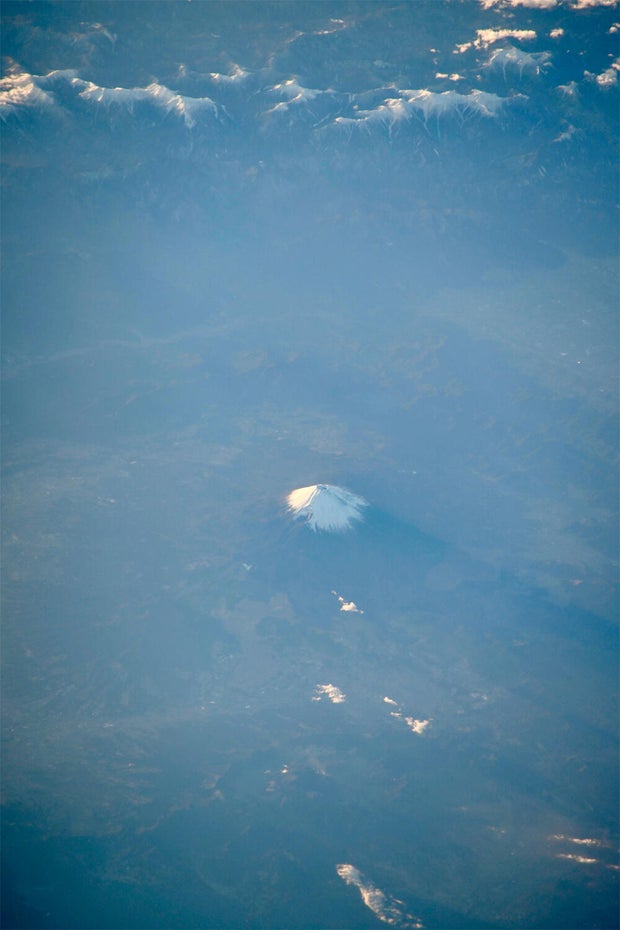

The space station is continuously staffed by a crew of seven: Three launch and return to Earth aboard Russian Soyuz spacecraft and four fly to and from the lab aboard NASA-managed SpaceX Crew Dragon ferry ships.
Both spacecraft serve as lifeboats during a crew’s long-duration space station stay. If a Soyuz or Crew Dragon flyer gets sick or is seriously injured aboard the station, that person is joined by all of his or her crewmates for the flight back to Earth.
With that possibility in mind, NASA and Roscosmos, the Russian federal space agency, agreed to fly one NASA astronaut aboard each Soyuz and one Russian cosmonaut aboard each Crew Dragon. The seat-swap arrangement ensures that at least one Russian and one American are always on board the station to operate equipment in their respective modules should one crew ship depart early.
NASA 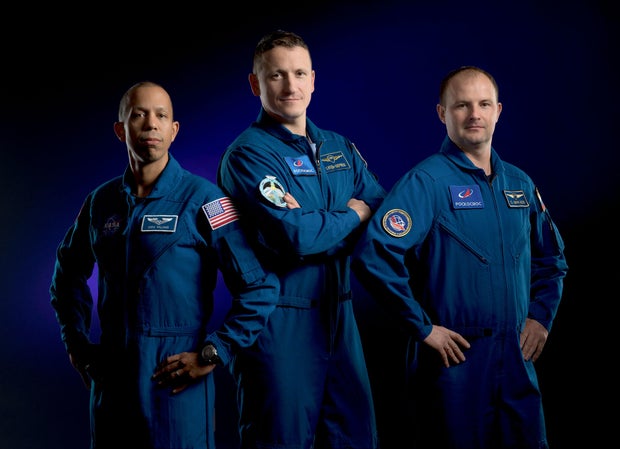

With the departure of Crew 11, Williams will be on his own managing the U.S. segment of the space station until Crew 12 arrives in February.
Crew 12 commander Jessica Meir, a space station veteran, rookies Jack Hathaway and European Space Agency astronaut Sophie Adenot, and veteran cosmonaut Andrey Fedyaev are officially scheduled for launch Feb. 15. However, NASA and SpaceX are looking into moving that launch up a few days amid work to ready a Space Launch System rocket for launch as early as Feb. 6 to send four astronauts on a looping fight around the moon.
The high-profile Artemis 2 mission will be the first to send astronauts to the vicinity of the moon in more than 50 years.